 |


| Quantity: | |
|---|---|
Industrial rubber sheets serve as foundational components across commercial procurement and maintenance operations, with material composition directly determining suitability for specific working conditions. Below is a breakdown of available rubber sheet types and their verified performance parameters.
SBR (Styrene Butadiene Rubber) sheets are general-purpose rubber materials formulated for applications where moderate performance meets cost efficiency. These sheets exhibit resistance to abrasion and water, with a service temperature range of -20°C to +80°C. Standard hardness measures 60±5 Shore A. SBR rubber sheets are commonly used for gaskets, flooring underlays, seals, and washers in commercial operations. Their abrasion-resistant surface reduces material loss in contact-intensive applications, extending replacement intervals for facility maintenance teams.
CR (Chloroprene Rubber) sheets, also known as neoprene, are designed for outdoor and environmentally demanding applications. They demonstrate resistance to ozone, flame, oil, and acid, with a temperature operating range of -35°C to +100°C. Hardness typically registers at 65±5 Shore A. CR rubber sheets maintain flexibility across temperature fluctuations, making them suitable for outdoor gaskets, weather seals, and flooring exposed to variable climates. Their ozone-resistant formulation addresses degradation issues common in outdoor installations.
EPDM (Ethylene Propylene Diene Monomer) sheets are engineered for applications requiring broad temperature tolerance and weather resistance. They resist ozone, sunlight, oxygen, acid, alkali, and ketones, with a service temperature range from -45°C to +120°C for standard compounds. Hardness ranges from 50 to 80 Shore A depending on formulation. EPDM rubber sheets find use in radiator seals, electrical insulation, and outdoor infrastructure components. The wide temperature range supports deployment in both cold-climate and high-heat industrial settings.
NBR (Nitrile Butadiene Rubber) sheets are formulated for applications requiring oil and solvent resistance. They resist oils, solvents, and fuels, and tolerate a broader range of aromatic hydrocarbons compared to neoprene. The operating temperature range is -30°C to +120°C, with certain compounds reaching -40°C. NBR sheets can be blended with SBR to produce moderately oil-resistant options at lower price points. Typical applications include oil-resistant gaskets, fuel system seals, and hydraulic system components in industrial maintenance and OEM supply chains.

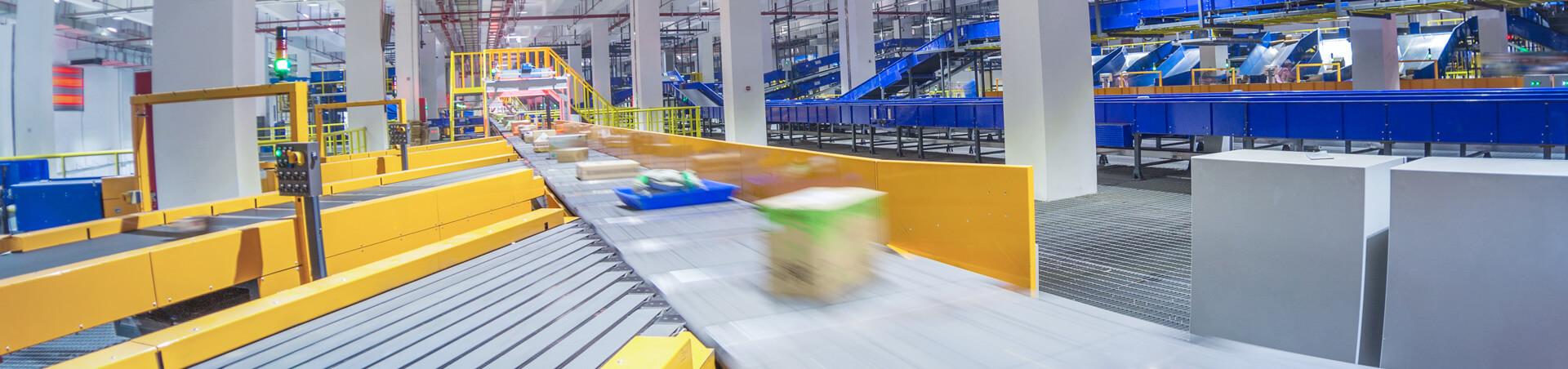
Rubber mat belts combine rubber surface layers with multi-ply fabric reinforcement to create flexible conveying surfaces with traction. Available in various surface patterns and thicknesses, these belts support material handling operations across warehousing, manufacturing, and agricultural processing. The rubber cover provides grip for inclined or declined conveying, while internal fabric plies manage tensile loads. Custom widths and lengths accommodate specific conveyor system dimensions.
All rubber sheet and mat belt products support customization to match specific project requirements. Standard rubber sheet dimensions range from 1 mm to 50 mm in thickness, 0.6 m to 2 m in width, and 1 m to 20 m in length. Custom cutting, slitting, and die-cut shapes are available for commercial procurement orders. Color options include black, red, green, and gray. Hardness can be adjusted within the range of 40 to 90 Shore A based on application needs.
Production follows ISO 9001 quality management standards. Each batch undergoes material testing including hardness verification, tensile strength measurement, and elongation at break testing. Material traceability records are maintained for all production batches, and test reports are available upon request for enterprise customers requiring quality documentation.
The minimum order quantity starts at 100 kg for standard sizes. Custom sizes and formulations may require higher minimums depending on production setup.
Sample pieces are available for material evaluation. Sample costs are refundable against confirmed bulk orders, with freight charges billed to the recipient.
Standard orders ship within 15 to 25 working days. Custom formulations or large-volume orders may require additional production time, which will be confirmed at order placement.
Yes, custom cutting, slitting, and die-cut services are available. Provide drawings or specifications for a quotation.
Yes, batch test reports including hardness, tensile strength, and elongation data can be provided with shipments upon request.
Custom colors and hardness levels are available for orders meeting minimum volume requirements. Specify color codes and Shore A values when requesting a quote.