 |


| Quantity: | |
|---|---|
100 meters
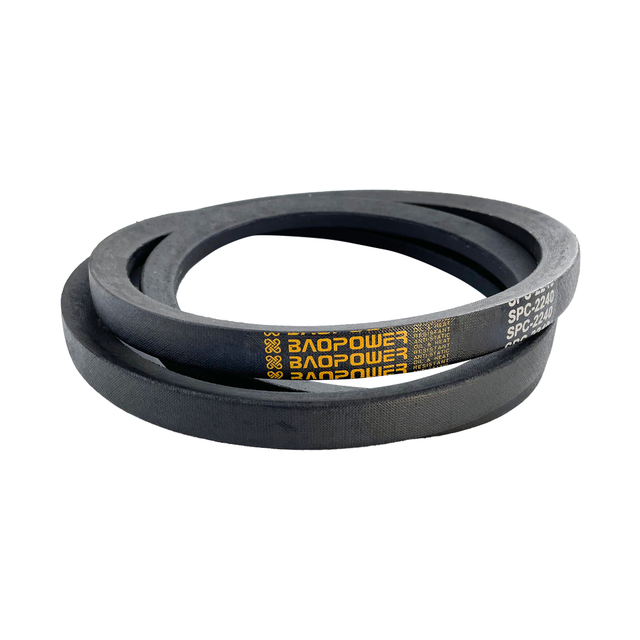
Endless conveyor belts are manufactured without mechanical or vulcanized joints in the belt carcass, eliminating the weakest point found in conventional spliced belts. In standard spliced belts, joint areas typically retain only 60 to 70 percent of the carcass tensile strength, making joints the primary failure location. Joint-free construction removes this limitation, resulting in uniform tensile strength across the entire belt length and longer service intervals for industrial operations.
The endless manufacturing process involves forming the belt carcass into a continuous loop before vulcanization, with all fabric plies aligned and cured as a single unit. This method produces a belt with a flat surface and even tension distribution, reducing vibration and material spillage during operation. The belt runs with lower working elongation compared to spliced alternatives, reducing the need for frequent tension adjustments and maintenance downtime in commercial material handling systems.
Endless conveyor belts are available with multiple carcass reinforcement types to match load and application requirements. EP (Polyester-Nylon) carcasses combine low elongation with high tensile strength, suitable for most general-purpose conveying. NN (Nylon-Nylon) carcasses offer higher flexibility and impact resistance, making them appropriate for loading zones with heavy material impact. CC (Cotton-Cotton) carcasses serve light-duty and agricultural applications where cost efficiency takes priority.

Cover rubber compounds are selected based on the conveyed material and operating environment. Four primary cover grades address the most common industrial conditions.
General-purpose cover rubber is formulated for normal temperature conditions with non-abrasive to moderately abrasive materials. Service temperature ranges from -20°C to +60°C. This grade is suitable for conveying sand, gravel, grain, and packaged goods in construction, agriculture, and distribution applications.
Oil-resistant cover rubber is engineered for applications involving oily materials or hydrocarbon exposure. It resists swelling and degradation when conveying oil-bearing materials such as oilseeds, petroleum coke, or oily waste. The operating temperature range is -15°C to +80°C. This grade is commonly specified in chemical processing, oilseed handling, and recycling operations.
Heat-resistant cover rubber is designed for conveying hot materials such as cement clinker, hot ore, or asphalt. Available in multiple temperature classes, with standard heat-resistant grades handling continuous material temperatures up to 120°C and high-temperature grades up to 180°C. This cover type is standard in cement plants, steel mills, and thermal power stations.
Chemical-resistant cover rubber addresses applications involving acidic or alkaline materials. It resists degradation from chemical exposure and is specified in fertilizer plants, chemical processing facilities, and mining operations with corrosive ores. Temperature range varies by formulation, typically from -10°C to +80°C.
Parameter | Range |
|---|---|
Belt Width | 300 mm to 1600 mm |
Carcass Plies | 2 to 6 plies |
Top Cover Thickness | 1.5 mm to 8 mm |
Bottom Cover Thickness | 1.5 mm to 6 mm |
Tensile Strength (EP) | 100 to 500 N/mm |
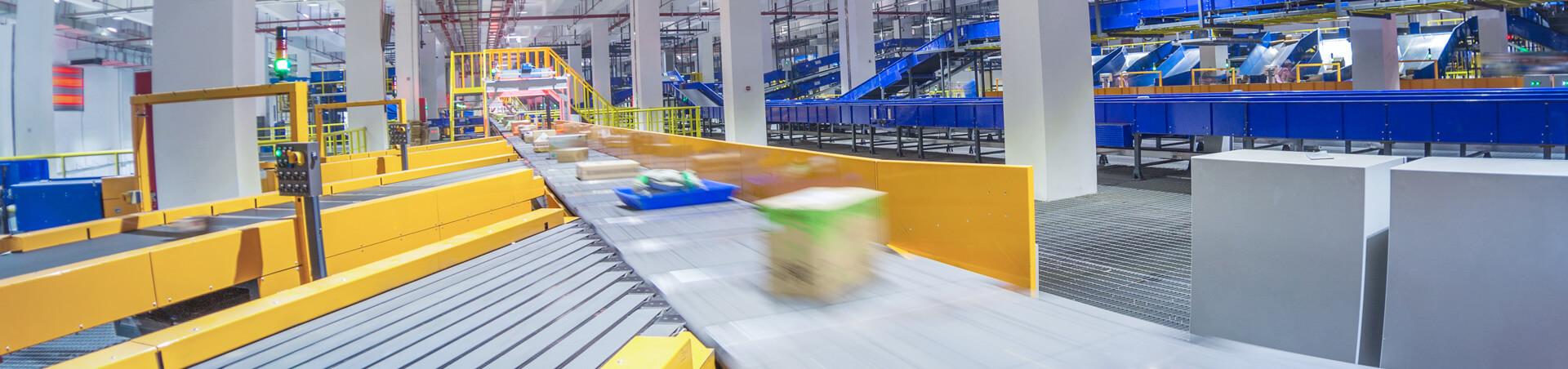
Endless conveyor belts serve bulk material handling across multiple sectors. In mining operations, they transport ore and overburden across long-distance conveyor systems where joint failure would cause costly production halts. Construction sites use them for moving sand, aggregate, and concrete ingredients with consistent flow. Chemical processing plants select oil-resistant or chemical-resistant covers for corrosive material handling. Metallurgical facilities rely on heat-resistant grades for hot material transfer. Agricultural operations deploy them for grain handling and processing line integration.
Custom manufacturing supports specific project requirements, including custom widths, lengths, carcass types, and cover rubber formulations. Belt lengths are produced to exact system dimensions, eliminating on-site splicing and reducing installation time. Custom cover thicknesses, edge profiles, and sidewall configurations are available for enterprise customers with specialized conveying needs.
The minimum order quantity starts at 100 meters per specification. Custom formulations may require higher minimums depending on compound setup.
Endless belts are installed by sliding the complete loop onto the conveyor system, requiring the conveyor frame to have a removable section or take-up pulley capacity. Installation guidance is provided with each order.
Sample sections for material evaluation and thickness verification are available. Freight charges apply to sample shipments.
Standard specifications ship within 20 to 30 working days. Custom formulations or large orders may require 30 to 45 working days.
Yes, installation guidelines and tensioning recommendations are provided with every shipment. Technical support is available for enterprise customers during commissioning.
Yes, material test reports including tensile strength, elongation, and abrasion resistance data are available upon request for each production batch.