 |


| Quantity: | |
|---|---|
100 meters
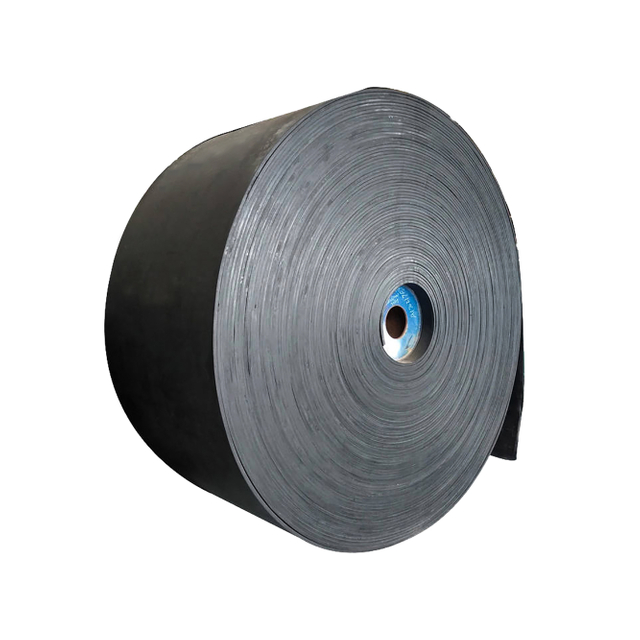
A flame resistant conveyor belt is engineered to restrict flame propagation and self-extinguish in conveyor systems operating in fire-prone environments. The belt structure consists of a multi-ply fabric carcass — available in cotton canvas (CC), nylon canvas (NN), or polyester-nylon canvas (EP) — bonded with rubber cover compounds that incorporate flame retardant additives. The manufacturing process follows calendering, assembly, and vulcanization stages, ensuring consistent bonding between plies and uniform cover thickness.
The top and bottom covers are formulated with chlorinated paraffins, antimony trioxide, and aluminum hydroxide additives that reduce flammability and limit smoke emission. The carcass plies provide tensile strength and load-bearing capacity, while the cover compounds deliver surface protection against abrasion, heat, and flame exposure. Belt edges are sealed to prevent delamination and moisture ingress.

Flame resistant conveyor belts are tested according to recognized industry standards to verify self-extinguishing behavior. Common compliance references include ISO 340, which measures flame propagation on conveyor belt samples, and DIN 22109, which specifies requirements for underground mining belts. Some configurations also meet AS/NZS 1333 for coal mine applications.
Self-extinguishing time, flame propagation distance, and smoke density are recorded during testing. Belts intended for underground mining undergo additional evaluations for electrical conductivity and abrasion resistance. The specific performance values depend on the cover grade and carcass type selected for each application.
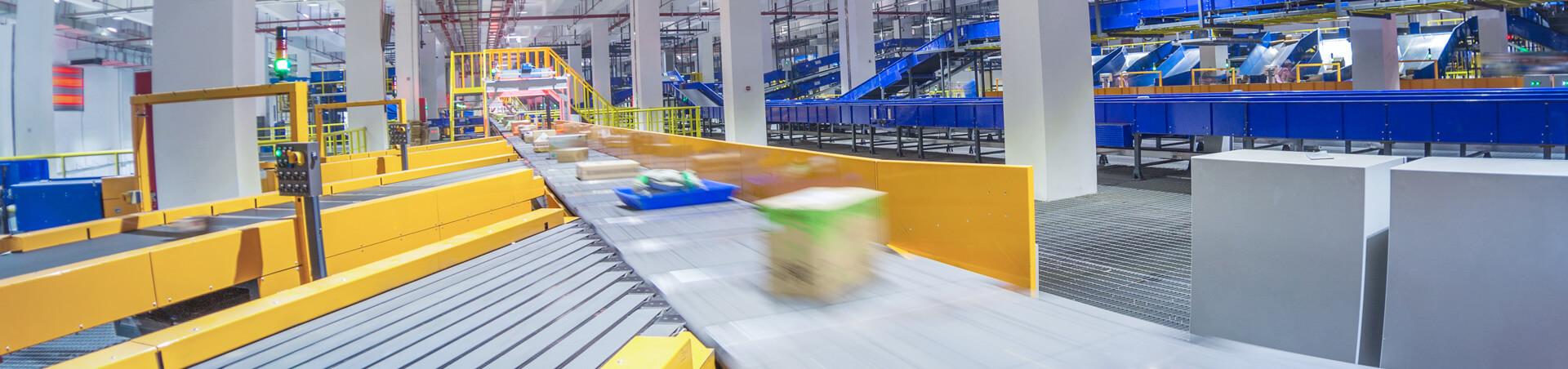
Flame resistant conveyor belts serve industrial applications where fire risk is present. In coal mining operations, both underground and surface conveyors rely on these belts to transport coal while minimizing ignition hazards. In power generation plants, belts handle coal feedstock and ash residue near high-temperature equipment. Recycling facilities use them to process shredded materials that may contain flammable debris.
Additional applications include cement plants, foundries, and chemical processing facilities where hot materials or sparks are present. Each application requires matching the belt's cover grade, carcass strength, and flame rating to the operating temperature, material characteristics, and conveyor layout.
Parameter | Specification Range |
|---|---|
Carcass Type | CC, NN, EP fabric plies |
Belt Width | 300 - 2200 mm |
Number of Plies | 3 - 6 plies |
Top Cover Thickness | 1.5 - 8.0 mm |
Bottom Cover Thickness | 1.5 - 6.0 mm |
Tensile Strength (EP) | EP100 - EP500 N/mm |
Operating Temperature | -10°C to +80°C (standard grade) |
MOQ | 100 meters |
Our flame resistant conveyor belts are manufactured to comply with ISO 340 and DIN 22109 standards. Specific grades can also be produced to meet AS/NZS 1333 or other regional standards upon request. Test reports are available for commercial procurement evaluation.
Standard flame resistant belts operate within a range of -10°C to +80°C. For applications involving higher continuous temperatures, heat-resistant cover compounds can be specified. Consult our engineering team for temperature-specific recommendations.
Yes. Belt widths from 300 mm to 2200 mm are available, and lengths are produced to order. Custom splice kits and vulcanizing services are also offered for on-site installation support.
The minimum order quantity is 100 meters per specification. Custom widths or special cover grades may require higher minimum quantities, which are confirmed during the quotation process for enterprise customers.
Standard specifications typically ship within 15 to 25 working days. Custom configurations with special cover compounds or carcass types may require 25 to 40 working days depending on production scheduling.