 |


| Quantity: | |
|---|---|
SA SB SC
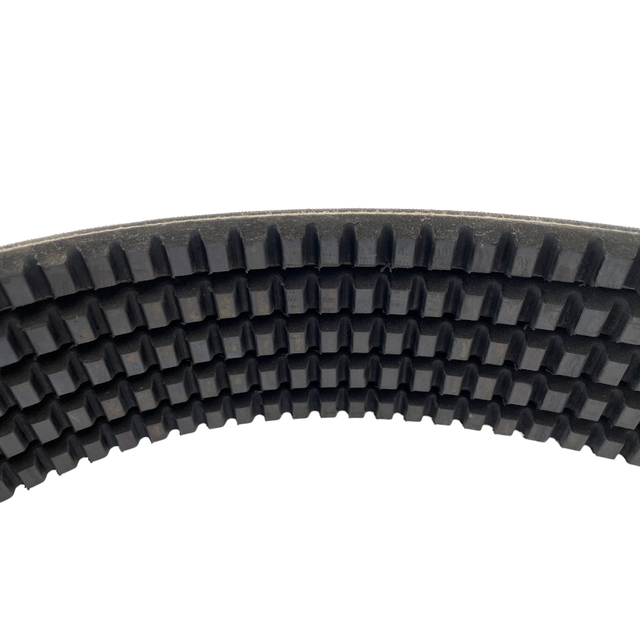
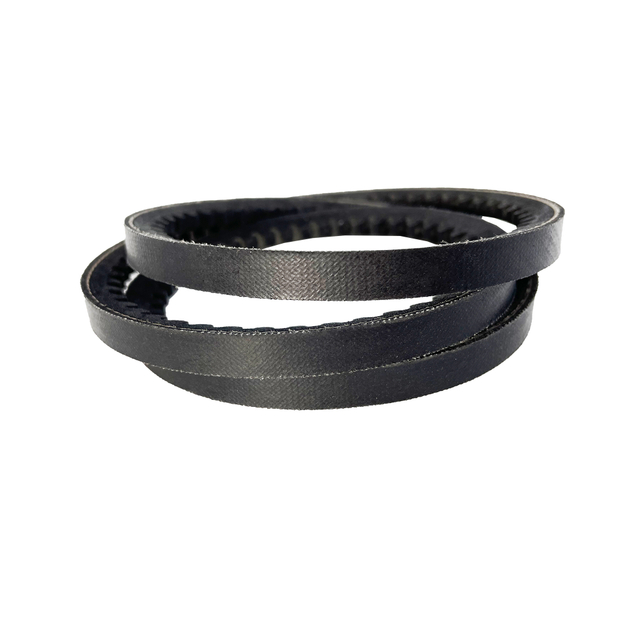
A rubber agricultural V-belt is a power transmission component designed for farm machinery and equipment operating in field conditions. The belt features a trapezoidal cross-section that wedges into pulley grooves, delivering frictional grip for torque transfer. The construction includes a tensile cord layer embedded in a rubber compound, wrapped with a fabric cover for abrasion protection.
The tensile cords are typically made of polyester or aramid fibers, providing dimensional stability and resistance to stretch under load. The rubber body compound — often based on chloroprene (neoprene) or natural rubber blends — offers flexibility and heat dissipation. The outer wrap fabric, usually cotton or polyester canvas treated with rubber dip, protects the belt against dust, dirt, and moisture encountered in agricultural environments.

Agricultural V-belts transmit rotational power between pulleys in farm equipment. The V-shaped cross-section increases contact surface area within the sheave groove, which supports torque transfer under varying loads. Performance characteristics include power capacity per belt, maximum allowable speed, and efficiency at different tension levels.
Belt flexibility allows operation with smaller pulley diameters and backside idlers commonly found on combines and balers. Resistance to bending fatigue contributes to consistent performance across frequent start-stop cycles typical of harvesting operations. Specific power ratings depend on the belt cross-section, length, pulley diameter, and operating speed.
Rubber agricultural V-belts are installed across a range of farm machinery. Tractors use them to drive auxiliary systems such as water pumps, alternators, and power take-off components. Combine harvesters rely on multiple V-belts to transmit power from the engine to headers, augers, and cleaning systems. Balers, forage harvesters, and sprayers also incorporate V-belts in their drive trains.
These belts operate in conditions that include exposure to field dust, crop residue, moisture, and temperature fluctuations. The cover compound resists abrasion from soil and plant matter, while the cord construction maintains tension stability across seasonal use. Oil-resistant grades are available for equipment with hydraulic or engine oil exposure.
Model | Top Width | Height | Angle | Length Range |
|---|---|---|---|---|
SA | 13 mm | 8 mm | 34° | 660 - 5000 mm |
SB | 17 mm | 11 mm | 34° | 900 - 6000 mm |
SC | 22 mm | 14 mm | 34° | 1200 - 8000 mm |
Additional cross-sections and lengths can be produced to match specific machinery requirements. Custom branding and packaging options are available for original equipment manufacturers and commercial procurement buyers.
Identify the belt cross-section (SA, SB, or SC) and the inside length marked on the existing belt. If the marking is illegible, measure the pulley groove width and depth to determine the cross-section, then calculate the belt length using pulley center distance and diameter. Our technical team can assist with sizing for industrial applications.
Service life varies depending on pulley alignment, tension setting, load conditions, and environmental exposure. Properly installed and maintained belts typically last one to three harvesting seasons. Premature wear often indicates misalignment or incorrect tension.
Yes. The flexible construction of wrapped agricultural V-belts allows operation with backside idlers and smaller pulley diameters commonly found on farm equipment. Consult the specification sheet for minimum recommended pulley diameters for each cross-section.
Custom lengths and private labeling are available for OEM and business operations orders. Minimum order quantities apply for custom specifications. Contact our sales team with your requirements for a quotation.
Standard agricultural V-belts operate within -30°C to +70°C. For high-temperature environments such as engine compartments, heat-resistant compounds can be specified. Cold-weather grades are also available for winter operating conditions.