Views: 0 Author: Site Editor Publish Time: 2026-09-18 Origin: Site


Operating environments featuring extreme temperatures are the leading cause of premature failure in industrial power transmission systems. Facilities rely heavily on these systems daily to sustain production goals. When equipment consistently overheats, the resulting wear dramatically reduces component lifespan and threatens overall facility productivity. While a standard wrapped v belt is highly durable against dust and abrasives, intense thermal stress fundamentally alters its mechanical properties. High heat directly impacts tension, alters friction characteristics, and shortens the overall lifecycle of the drive.
For engineering and procurement teams, understanding the strict thermal limitations of these belts is critical. You must recognize these operational boundaries to avoid unplanned downtime. Thorough knowledge allows you to define accurate technical requirements and select the exact components required for high-stress applications. We will explore how heat degrades materials, how to establish safe operating thresholds, and how to implement proactive maintenance strategies to protect your industrial drives.
Excessive heat accelerates rubber vulcanization, causing belts to harden, crack, and lose flexibility.
Temperature fluctuations directly impact belt tension, requiring dynamic maintenance protocols to prevent slippage or over-tensioning.
Partnering with an evidence-backed wrapped v belt supplier ensures access to specialized rubber compounds for environments exceeding standard thermal limits.
Heat acts as a silent operational drain across manufacturing facilities, steel mills, and heavy processing plants. Beyond sudden catastrophic failure, thermal degradation causes subtle micro-inefficiencies across your equipment floor. These minor issues, such as unnoticed belt slippage, waste massive amounts of electrical energy over extended periods. Slipping drives force electric motors to work much harder, pulling higher amperage and driving up your daily utility expenses. Equipment efficiency drops significantly when power transmission components operate continuously outside their intended thermal limits.
We must clearly differentiate between two primary sources of heat: ambient heat and generated heat. Ambient heat originates from the surrounding environment. Extreme regional climates, enclosed operating spaces, or close proximity to industrial furnaces expose drive systems to constant high temperatures. Generated heat, conversely, originates internally within the drive system itself. Friction caused by pulley misalignment, severe under-tensioning, or the use of incorrect sheave sizes creates intense localized temperatures. Both heat sources destroy rubber compounds rapidly, but generated heat often indicates underlying mechanical flaws.
The ultimate goal for procurement and maintenance professionals involves matching the belt compound precisely to the thermal reality of the equipment. We measure success by maximizing the Mean Time Between Failures (MTBF). Proper component selection stabilizes production schedules, reduces frequent maintenance interventions, and minimizes the constant need for replacement parts.
Inspect pulleys regularly for excessive wear, which often causes generated heat through slipping.
Install ambient temperature sensors near heavy-duty drives to monitor environmental heat spikes.
Audit drive designs to ensure sheaves meet the minimum diameter requirements, preventing severe bending stress.
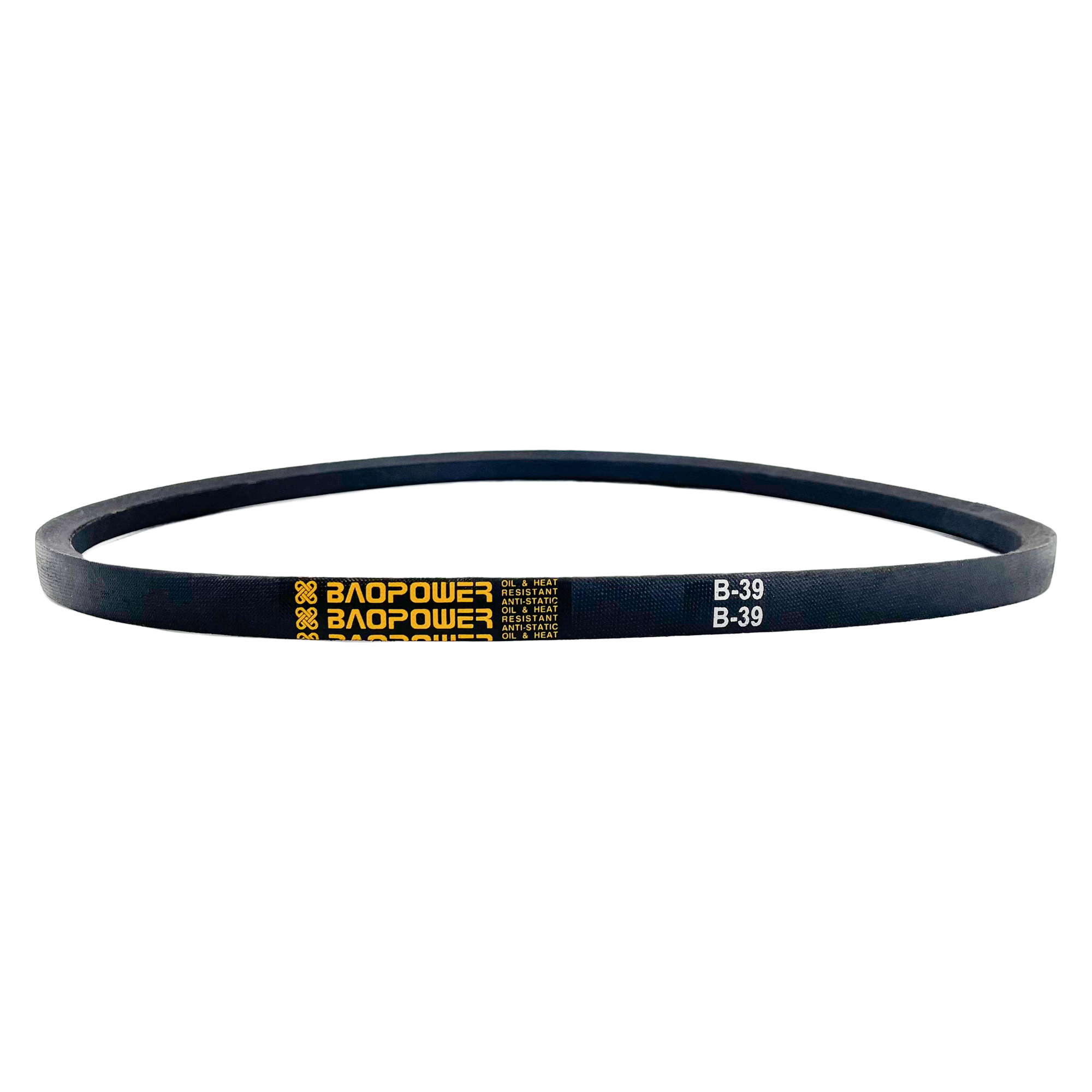
Continuous exposure to high temperatures essentially over-cures the central rubber core. Vulcanization represents a delicate chemical balance achieved during the manufacturing process. When operating environments expose an industrial wrapped rubber v belt to excessive heat, this cross-linking chemical process continues uncontrollably. The rubber core loses its necessary elasticity. As the polymer chains stiffen, the material cannot flex properly around sheaves. This rigidity rapidly leads to deep fatigue cracks across the underside of the profile.
Heat also aggressively attacks the protective fabric cover. This outer wrapping shields the inner tensile cords from environmental damage and harsh abrasives. However, under extreme friction and high ambient heat, the fabric can glaze over or even char. Glazing creates a hard, shiny exterior layer. This altered surface drastically reduces the coefficient of friction between the belt sides and the sheave groove walls. Operators will quickly notice uncontrolled slippage and severe power loss once glazing occurs.
The physics of temperature fluctuation heavily dictate drive tension stability. As temperatures rise significantly, rubber compounds and internal tension cords stretch. This elongation leads to immediate tension loss, causing the drive to slip and generate even more frictional heat. Conversely, rapid cooling causes these materials to contract tightly. This fierce contraction pulls aggressively on shafts and bearings. Both extreme conditions necessitate strict tensioning protocols to prevent severe shaft load damage or complete operational failure.
Ignoring early signs of cover glazing, leading to sudden drive stall under heavy loads.
Applying chemical belt dressings to stop slippage caused by hardened rubber, which only worsens the degradation.
Failing to re-check tension after a drive cools down from a high-temperature operating cycle.
Establishing baseline temperature ranges provides a foundation for safe equipment operation. Standard industry formulations typically handle ambient temperatures spanning from -30°C to roughly +70°C. Standard neoprene or natural rubber compositions perform exceptionally well within this standard thermal window. Operating machinery reliably outside these boundaries requires immediate specification adjustments from your engineering team.
You must identify the exact threshold where standard materials fail. When ambient conditions consistently exceed +80°C, traditional core compounds degrade rapidly and lose their structural integrity. At this stage, high-temperature alternatives become strictly necessary. Engineers often specify EPDM-infused cores to survive these brutal environments. EPDM resists heat aging and ozone degradation much better than standard chloroprene rubber formulations.
Buyers must demand transparent data sheets detailing specific thermal endurance limits. Do not accept vague marketing claims regarding heat resistance from unverified vendors. Precise wrapped v belt specifications remain non-negotiable for strict compliance in heavy industrial, mining, or agricultural sectors. You need hard empirical data proving dynamic performance under elevated thermal loads before finalizing any procurement contracts.
Rubber Compound | Standard Operating Range | Primary Vulnerability | Best Application Context |
|---|---|---|---|
Natural Rubber (NR) | -30°C to +70°C | Rapid hardening under prolonged heat | General purpose drives, mild environments |
Chloroprene (Neoprene) | -30°C to +80°C | Glazing and cracking above 85°C | Moderate heat, minor oil exposure |
EPDM | -40°C to +120°C | Poor resistance to petroleum oils | High ambient heat, outdoor weathering |
Evaluating drive solutions requires comparing traditional fabric-covered designs against raw edge cogged alternatives. Each mechanical category offers distinct structural advantages depending on your exact operational hazards and environmental conditions.
The wrapped design excels significantly in clutching applications. The fabric cover tolerates momentary slip during drive engagement without destroying the inner core material. Furthermore, environments plagued by abrasive dust rely heavily on this protective cover. In mining, large-scale agriculture, or cement production, abrasive grit constantly threatens to grind away exposed rubber. The protective envelope shields the load-carrying cords from both mild heat and aggressive abrasion simultaneously.
Alternatively, the raw edge cogged design provides superior heat dissipation characteristics. Because they completely lack a fabric envelope, these belts release internal heat much faster into the surrounding air. The molded cogs also increase flexibility and allow greater airflow around the core itself. This makes them highly suitable for smaller sheaves spinning at very high speeds, where severe bending stress generates substantial internal temperatures.
To choose correctly, you should utilize a structured decision matrix tailored to your facility operations:
Assess environmental abrasion levels: If abrasive dust represents a primary threat alongside heat, stick to covered designs. Upgrade the internal rubber compound to EPDM to handle the thermal load while retaining the protective jacket.
Evaluate sheave diameters: Inspect your drive layout. If the equipment utilizes extremely small pulleys, transition to cogged designs to drastically reduce bending stress and internal heat generation.
Identify the singular failure source: If ambient heat acts as the sole operational issue, and no abrasive dust exists, transitioning to a raw edge cogged configuration often solves the problem permanently.
Installing upgraded thermal components only solves half the problem. You must establish rigorous maintenance practices to monitor environmental conditions continuously. Proactive monitoring prevents sudden equipment breakdowns and extends the life of your entire drive assembly.
We highly recommend utilizing infrared thermography during normal production operation. Handheld thermal cameras allow maintenance technicians to scan drive systems safely from a distance. You can easily detect localized heat buildup before actual failure occurs. Unexplained hot spots usually indicate severe sheave misalignment, failing bearings, or improper tensioning generating friction.
Poorly ventilated guards introduce a severe implementation risk to industrial systems. Maintenance teams frequently install solid metal guards over rotating equipment to ensure worker safety. Unfortunately, solid guards trap generated heat completely inside the enclosure. This trapped air continuously raises the ambient temperature directly around the power transmission system. We advise installing OSHA-compliant mesh guards or incorporating ventilation louvers into solid panels. This modification promotes adequate airflow while strictly maintaining safety standards.
Finally, you must respect the initial run-in period for all newly installed components. New installations require precise re-tensioning after the first 24 to 48 hours of operation. Initial thermal exposure causes new materials to seat deeply into the sheave grooves. The initial heat also triggers minor material stretching. Failing to adjust the tension after this crucial run-in period guarantees premature slippage and accelerated thermal wear.
Securing high-performance components requires partnering with an elite manufacturing source. Not all vendors possess the advanced engineering capabilities required to formulate extreme-temperature solutions. You must evaluate potential supply partners across several strict technical dimensions.
First, thoroughly assess their internal compound engineering capabilities. Does the manufacturer actually own their rubber compounding process, or do they outsource raw material production? A truly capable partner can adjust specific chemical formulations to counter extreme operational heat. They possess in-house mixing facilities and employ experienced material scientists to design custom profiles.
Second, require hard evidence of rigorous Quality Assurance and batch testing. Static laboratory tests rarely replicate the brutal realities of industrial environments. You should request dynamic testing reports from the manufacturer. These detailed documents must show exactly how the product performs while actively running under heavy loads inside high-temperature environmental chambers.
Third, evaluate their application engineering support services. A reliable vendor provides comprehensive drive design audits. Sometimes, recurring heat issues stem directly from poor initial drive geometry. Expert engineers will analyze your layout to ensure you are not artificially generating high temperatures through undersized sheaves, insufficient belt quantities, or excessive operating speeds.
For your immediate next steps, we recommend initiating a targeted pilot test. Select a known problem drive within your facility experiencing frequent thermal failures. Install the proposed high-temperature solution and monitor its dynamic performance closely for three months. Validate the operational results before executing a facility-wide replacement contract.
Temperature dictates the performance, daily efficiency, and total lifespan of industrial power transmission systems. Operating machinery blindly past established thermal limits guarantees compounding operational expenses, massive energy waste, and sudden mechanical breakdowns. Standard components perform exceptionally well in optimal conditions, but extreme heat requires engineered interventions.
We recommend conducting immediate physical audits of drives located in known high-heat areas across your facility. Review your current documentation against actual failure rates to identify systemic weaknesses. You should consult a qualified engineering manufacturer directly to bridge any existing technical gaps in your current procurement strategy.
Take proactive measures today to protect your production output. Download a detailed specification guide for high-temperature environments, request a comprehensive efficiency audit for your heaviest drives, or contact professional engineering support for a complete drive system evaluation.
A: Most standard industrial formulations handle ambient temperatures up to 70°C (158°F) or 80°C. Once operating environments exceed this baseline, thermal degradation accelerates rapidly. The rubber core hardens significantly, losing its crucial flexibility and load-carrying capacity.
A: Look for clear visual and tactile evidence during inspections. A heat-damaged belt typically features a hardened, brittle underside. You will often see deep transverse cracks running across the bottom profile. Additionally, the outer fabric cover may appear shiny, glazed, or slightly charred.
A: Yes. Rising temperatures cause rubber compounds and internal tensile cords to stretch, resulting in immediate tension loss and slippage. Conversely, cooling causes the materials to contract fiercely. This continuous expansion and contraction cycle requires regular dynamic tension checks.
A: Premium suppliers frequently utilize advanced elastomers for specialized high-heat applications. By integrating specialized materials like EPDM into the core structure, manufacturers create custom belts capable of withstanding extreme ambient heat without sacrificing the protective benefits of the outer envelope.