 |


| Quantity: | |
|---|---|
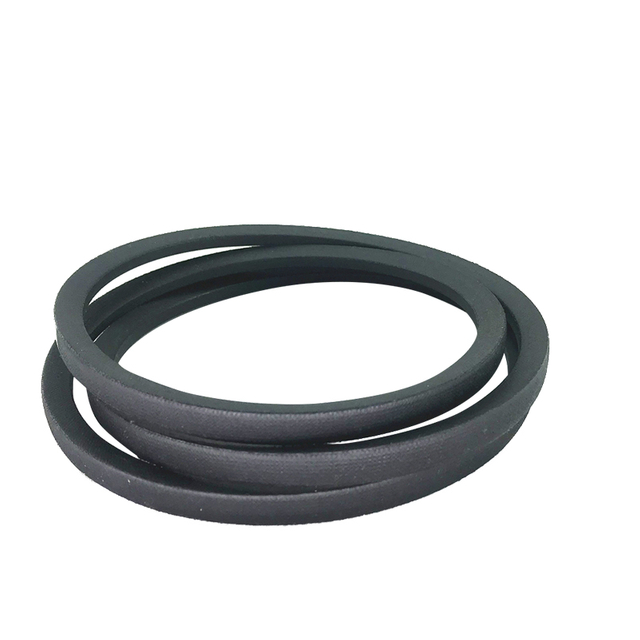
Double sides timing belts represent a specialized category of synchronous power transmission components engineered with toothed profiles on both surfaces of the belt body. This dual-tooth configuration enables the belt to engage with pulleys on either side, facilitating bidirectional power transfer within a single belt system. The construction follows established manufacturing standards for pitch dimensions and tooth geometry, ensuring compatibility with corresponding pulley systems across different equipment setups.
The tooth profile and pitch measurements of double-cog synchronous belts adhere to international manufacturing standards. This standardization means that the tooth shape, spacing, and dimensional tolerances align with globally recognized specifications, allowing these belts to interface with standard pulleys and tensioning systems used in commercial procurement environments. The consistent pitch ensures accurate synchronization between driving and driven components on both sides of the belt.
Double side synchronous belts are available in two primary arrangements. Model DA features a symmetrical arrangement of teeth on both sides, meaning the teeth on the top and bottom surfaces align directly opposite each other. Model DB employs a staggered tooth arrangement, where the teeth on opposite sides are offset from one another. Each configuration serves specific mechanical requirements in power transmission systems, with DA models suited for symmetric loading patterns and DB models offering alternative engagement characteristics.

Dual-side tooth synchronous belts find application across a range of industrial settings where bidirectional motion transmission is required. Their design makes them particularly relevant for systems that involve both co-rotating and counter-rotating movements, allowing a single belt to drive multiple pulleys in different rotational directions.
The primary application of double sided timing belts lies in systems that require both co-rotating and counter-rotating movement. In co-rotating setups, both sides of the belt drive pulleys that turn in the same direction. In counter-rotating configurations, the belt drives pulleys on opposite sides that rotate in opposing directions. This dual capability eliminates the need for additional belts or idler pulleys in certain machinery designs, contributing to more compact system layouts.
These belts serve various sectors including packaging machinery, textile equipment, printing presses, food processing lines, and automated assembly systems. In commercial procurement scenarios, engineers and maintenance teams specify double sided timing belts when designing or retrofitting machinery that requires synchronous power transfer from both belt surfaces. Common use cases include dual-sided drive systems, serpentine belt paths, and applications where space constraints demand efficient use of a single belt for multiple drive points.
Understanding the performance attributes of double sides timing belts helps industrial clients make informed procurement decisions based on their specific operational requirements.
Both sets of teeth on dual-side tooth synchronous belts are interlaced to support smooth operation of reverse-driven systems under elevated load conditions. The belt construction incorporates good flexibility, allowing it to bend around pulleys of varying diameters while maintaining tooth engagement. This combination of load-handling capability and flexibility supports reliable performance across a range of tension and speed parameters.
The synchronized tooth engagement on both sides contributes to consistent motion transfer with minimal backlash. The interlaced tooth design helps distribute load across multiple tooth contacts, reducing stress concentrations and supporting steady operation. This smoothness is particularly relevant in precision applications where accurate positioning and consistent speed control are required for business operations.
When evaluating double sides timing belts for industrial applications, procurement teams should assess several factors to ensure proper fit and performance.
Manufacturers typically offer these belts in various widths, lengths, and tooth profiles to match specific pulley dimensions and power requirements. Custom lengths and specialty materials may be available for applications with unique environmental conditions, such as elevated temperatures or exposure to specific chemicals. Clients engaged in commercial procurement should verify dimensional specifications against their existing pulley systems before placing orders.
Key verification points include pitch accuracy, tooth profile consistency, belt thickness uniformity, and material composition. Suppliers that provide dimensional inspection reports and material certification documentation support more confident purchasing decisions. For enterprise customers with ongoing maintenance programs, establishing consistent supply channels with verified quality standards reduces the risk of downtime due to belt compatibility issues.
Model DA features symmetrically arranged teeth on both sides, with top and bottom teeth aligned opposite each other. Model DB uses a staggered arrangement where teeth on opposite sides are offset. The choice depends on the specific pulley layout and loading requirements of the application.
These belts are used across packaging machinery, textile manufacturing, printing equipment, food processing lines, and automated assembly systems where bidirectional synchronous power transfer is needed.
Yes, the interlaced dual-tooth design is engineered to support reverse-driven operation under elevated load conditions. The specific load capacity depends on belt width, material, tooth profile, and pulley configuration.
Double sides timing belts follow international standards for pitch and tooth profile, making them compatible with corresponding standard pulleys. Users should verify pitch type and dimensions before installation.