 |


| Quantity: | |
|---|---|
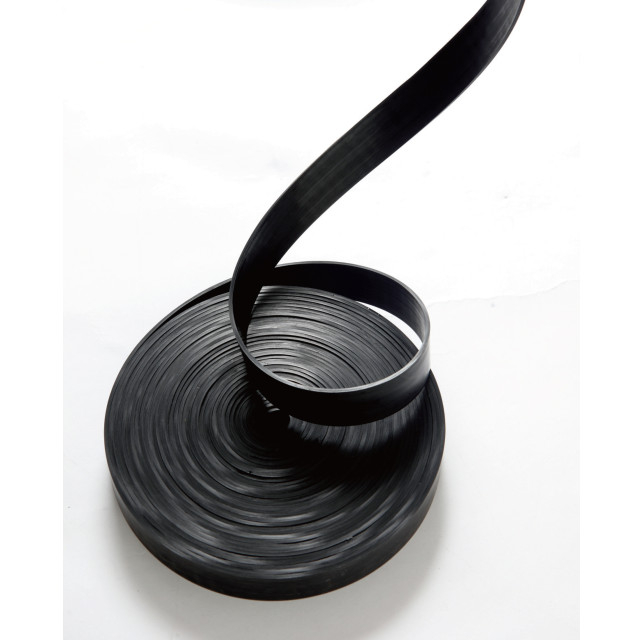
Rubber timing belts, also referred to as synchronous toothed belts, deliver positive power transmission through meshing between belt teeth and pulley grooves, rather than friction alone. This meshing design maintains consistent speed ratio between driving and driven shafts, making these belts suitable for applications that require precise synchronization. They are used across industrial production and equipment manufacturing for motion control and power transfer.
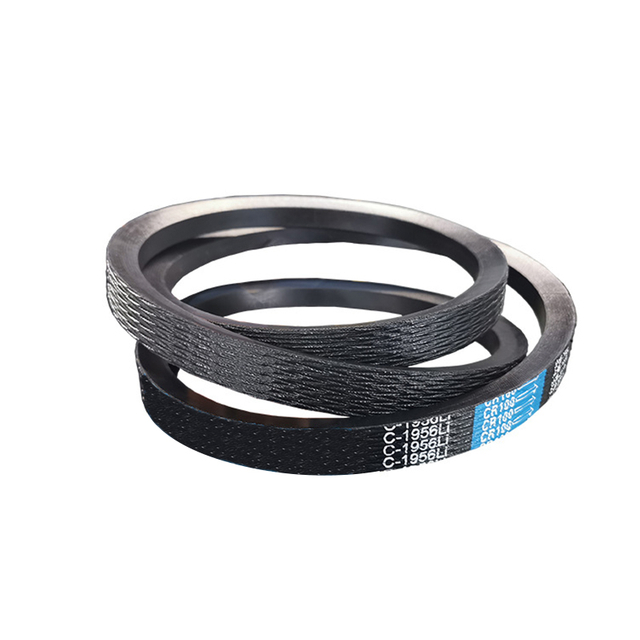
These belts are constructed with a rubber tooth body and embedded tensile cords that carry operational loads. The RPP tooth profile is one standard configuration available in this product range, with curved tooth geometry that supports smooth meshing and reduced noise during operation. Standard sizes are available for direct replacement of existing belts, and custom dimensions can be arranged for commercial procurement projects with specific equipment requirements.

The RPP profile is among the most widely used tooth geometries for industrial rubber timing belts. The table below lists common model references and corresponding basic parameters.
Model Reference | Tooth Profile |
|---|---|
RPP 300 P3 | RPP curved tooth |
Additional RPP sizes are available across a range of tooth counts and belt widths, to suit different center distances and load requirements. Belt length is determined by tooth pitch multiplied by total tooth count, with pitch dimensions following standard industrial timing belt specifications. Width options are selected based on the transmitted power and pulley face width.
Availability: Quantity:1
The tooth and backing body of the belt are formed from industrial-grade rubber compound, which provides the required flexibility and wear resistance for continuous meshing operation. Embedded within the backing layer are tensile cords made from fibrous reinforcement material, which carry the tensile load of power transmission and maintain consistent belt length under rated tension. This reinforcement limits stretch under load, which preserves accurate timing over the service life of the belt.
The tooth surface is shaped to match the corresponding pulley groove profile, ensuring full contact during meshing and reducing localized wear. The back surface of the belt has a smooth finish, suitable for use with backside idler pulleys where required by the drive layout. All materials are processed to ensure consistent dimensional accuracy across production runs, supporting predictable fit and performance.
The rubber compound used in these belts resists degradation from exposure to moderate levels of oil, grease, and common industrial fluids. It also maintains performance across a range of operating temperatures typical of indoor industrial environments. This resistance allows deployment in manufacturing facilities where occasional fluid contact and temperature variation are normal operating conditions.
The belt material also resists abrasion from repeated meshing with pulley grooves, which contributes to extended service life under steady operating conditions. For applications with higher exposure to chemicals or extreme temperatures, alternative compound options can be discussed for volume orders.
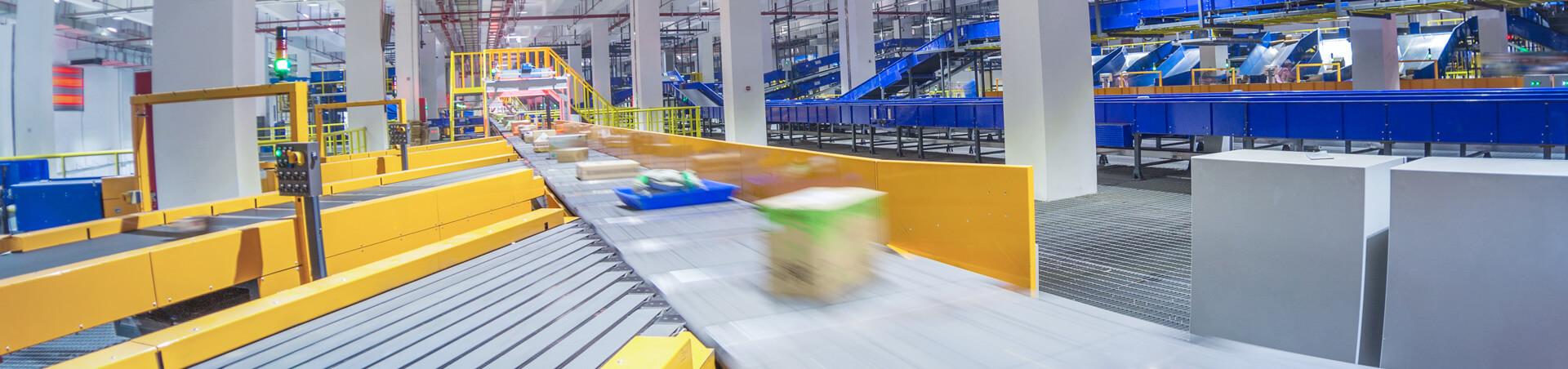
Rubber timing belts are deployed across a broad range of industrial applications where precise speed ratio or positional synchronization is required. In automated manufacturing equipment, they drive conveyor systems, packaging machinery, and assembly line positioning mechanisms, where consistent timing supports uniform production quality.
In the automotive sector, they are used in auxiliary drive systems and engine timing applications for production vehicles and stationary engine units. Textile machinery, printing equipment, and woodworking machinery also commonly use rubber timing belts for motion control and power transmission. Robotics and material handling systems utilize these belts for linear and rotary motion transfer, where the positive drive eliminates slip-related positioning errors.
For commercial users with facility-wide maintenance programs, these belts support standardized replacement schedules across multiple equipment types, reducing inventory complexity and downtime.
Proper installation is required to achieve rated performance and service life. Before installation, verify that driving and driven pulleys are correctly aligned, both axially and radially, to avoid uneven tooth wear and side loading. Set belt tension according to the manufacturer's recommendations for the specific belt size and applied load. Excessive tension will increase bearing load and reduce belt life, while insufficient tension can cause tooth jumping and accelerated wear.
For routine maintenance, perform periodic visual inspections to check for tooth cracking, edge wear, or surface delamination. Check pulley grooves for wear at the same time, as damaged pulley teeth will accelerate belt degradation. Keep the belt drive system clean and free of debris, as foreign particles trapped between belt and pulley will cause abrasive wear. When replacing a timing belt, inspect pulleys and tensioners for wear and replace them if necessary to support consistent long-term operation.
The standard offering includes the RPP curved tooth profile, which is widely used across industrial equipment. Additional tooth profiles can be sourced for bulk orders to match specific equipment requirements. All profiles follow corresponding dimensional standards for interchangeability with matching pulleys.
The standard rubber compound provides resistance to moderate levels of oil exposure and operates within typical industrial temperature ranges. For applications with heavy oil exposure or extreme temperature conditions, specialized compound options are available for volume production orders.
To identify a replacement size, first confirm the tooth profile type. Then count the total number of teeth on the belt, and measure the tooth pitch across multiple teeth to calculate pitch distance. Finally, measure the belt width. These three values — profile, tooth count, and width — define the full belt specification.