Views: 0 Author: Site Editor Publish Time: 2026-08-07 Origin: Site


Unprotected rubber compounds act like sponges around grease. They absorb oils rapidly, which leads to cover swelling, delamination, and premature mechanical failure. You cannot rely on a standard rubber conveyor belt when handling lubricated materials. The solution lies in engineered polymers. An oil resistant conveyor belt utilizes specialized formulations, typically Nitrile Butadiene Rubber (NBR). NBR repels specific oil types effectively. It maintains essential structural integrity under continuous, harsh exposure.
This comprehensive guide breaks down the exact applications, grading systems, and technical criteria you need. You will learn how to specify the correct belt for environments exposed to mineral, animal, or vegetable oils. We explore the hidden mechanics behind cover degradation. You will understand how to evaluate performance data, ensuring your operation runs without unexpected disruptions.
Different oils cause different rates of degradation; mineral oils and cutting fluids require higher resistance grades than most vegetable and animal fats.
Selecting the wrong grade (e.g., using a moderately oil-resistant belt for heavy machining oils) results in rapid cover swell, tracking issues, and material spillage.
Evaluating an oil proof conveyor belt requires reviewing standard test data (such as DIN 22102 or ISO standards) regarding volume swell percentages.
Proper selection must account for secondary application variables, including cleaning chemicals, abrasion levels, and operational temperatures.
Standard rubber polymers degrade quickly around hydrocarbons. When exposed to oil, ordinary covers act like rigid sponges. Hydrocarbon molecules penetrate the molecular structure of the rubber. This absorption forces the polymer chains apart. Engineers call this destructive phenomenon "volume swell." As the rubber swells, it loses its tensile strength and abrasion resistance. The physical dimensions of the cover expand unevenly. This expansion weakens the bond between the rubber and the internal fabric carcass.
Operational consequences follow quickly after volume swell begins. The top cover starts peeling away from the inner layers. The swollen rubber causes the belt edges to curl upwards. We refer to this curving distortion as "cupping." This cupping effect ruins proper tracking along the idlers. Misalignment soon leads to severe edge fraying and localized tearing. As the surface degrades, material spillage increases dramatically along the conveyor line. Operators quickly lose control over material flow.
Financially, using a non-resistant belt creates a severe burden on facility operations. Plants face a relentless cycle of unplanned downtime. Maintenance teams must replace failing belts constantly. You spend heavily on emergency repairs and unexpected labor. The entire production schedule suffers from these unpredictable interruptions. Investing in specialized belting upfront stops this damaging cycle. It stabilizes your maintenance schedule and drastically reduces sudden mechanical failures.
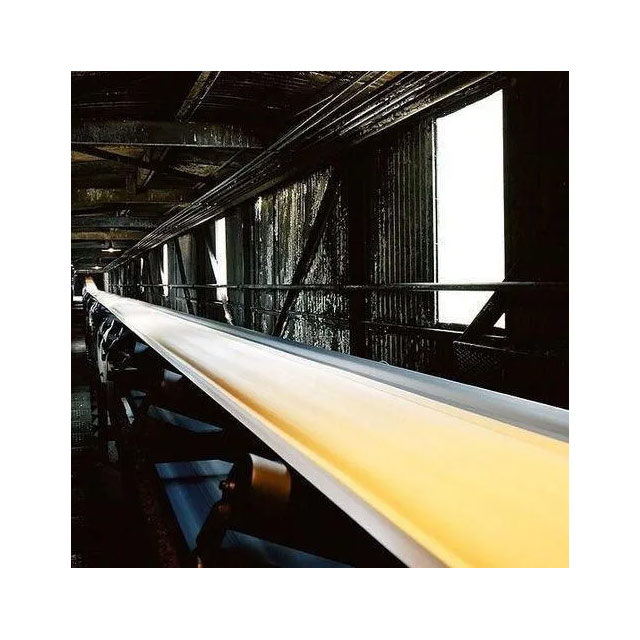
Municipal waste streams are highly unpredictable. Facilities handle garbage containing mixed contaminants daily. You frequently encounter spilled motor oils and household greases. An industrial conveyor belt used here faces constant chemical attacks. Operators typically require moderate to high oil resistance. The exact grade depends entirely on the specific sorting stage. Primary shredders might need maximum protection against heavy engine oils. Secondary sorting lines may tolerate slightly lower resistance grades.
Metal processing presents extremely harsh conditions. Facilities move stamped parts and sharp scrap metal constantly. These metal items carry highly aggressive industrial cutting fluids, coolants, and heavy lubricants. Standard rubber degrades in mere days under these chemicals. You must specify maximum resistance grades for these environments. Additionally, the belt needs high cut and gouge resistance. Sharp metal edges will easily slice through soft, chemically swollen rubber covers.
Timber and paper mills face unique material challenges. Wood chips and sawdust naturally emit terpenes and resins. These botanical oils seem harmless but actively degrade standard covers over time. You often require belts formulated specifically for these organic compounds. A targeted rubber blend resists sticky resin buildup. It prevents the cover from hardening and cracking during continuous wood handling. This specialized formulation keeps the timber moving smoothly.
Agricultural operations transport grains, fertilizers, and raw organic materials. These bulk goods are naturally rich in vegetable oils and animal fats. You need a reliable material handling belt to move them efficiently. However, you must also meet strict regulatory standards simultaneously. Processing environments often bridge a critical compliance gap. The belt must resist organic fats effectively. It must also maintain FDA or USDA compliance if direct food contact is involved.
Industry Sector | Typical Oil Contaminants | Recommended Resistance Grade |
|---|---|---|
Waste Management | Motor oils, household greases | Moderate to High (MOR/SOR) |
Metal Machining | Cutting fluids, industrial coolants | Super Oil Resistant (SOR/HOR) |
Timber Processing | Terpenes, wood resins | Moderately Oil Resistant (MOR) |
Food & Agriculture | Animal fats, vegetable oils | Moderately Oil Resistant (MOR) |
Manufacturers design Moderately Oil Resistant (MOR) belts carefully. They formulate these covers for exposure to less aggressive substances. These benign substances include wood resins, animal fats, and light vegetable oils. MOR belts utilize a specific, balanced blend of polymers. You will commonly see them in timber mills and agricultural bulk handling facilities. They perform exceptionally well in these targeted environments.
However, MOR belts have strict chemical limitations. They will degrade rapidly if exposed to heavy petroleum-based products. Never use an MOR grade for mineral oils or harsh industrial lubricants. Exceeding their chemical tolerance leads directly to cover swelling and structural breakdown.
Super Oil Resistant (SOR) belts offer maximum chemical protection. Some manufacturers refer to them as HOR (Highly Oil Resistant). Manufacturers build them using highly concentrated NBR compounds. These premium belts handle highly aggressive mineral oils, cutting fluids, and petroleum derivatives. They provide a vital defense mechanism against harsh industrial fluids. Common use cases include scrap metal recycling, automotive parts handling, and complex chemical processing.
You will face a higher upfront capital expenditure for SOR belts. However, this investment generates a strong operational return. It prevents catastrophic belt swelling in high-exposure environments. You avoid sudden breakdowns and expensive emergency replacements. The extended operational lifecycle easily justifies the initial procurement costs.
Look for rigorous manufacturer testing data before procurement. The data must reference established frameworks like ISO 1817 or DIN 22102 standards. These documents detail the maximum acceptable volume swell limits for the rubber. Testing labs soak rubber samples in specific test oils for 72 hours. Evaluating an oil proof conveyor belt requires comparing these final swell percentages. Lower swell percentages indicate superior polymer formulation and longer expected lifespans.
A robust procurement process starts with accurate data collection. You must obtain Safety Data Sheets (SDS) for all specific oils or coolants involved. Review these chemical documents carefully. They help you match the exact polymer compound to the specific chemical threat. Guessing the oil type often leads to premature belt failure. Different hydrocarbons attack polymer bonds in entirely different ways.
In many complex setups, oil resistance alone remains insufficient. You must evaluate the operational need for dual-purpose covers. Sometimes you require an chemical resistant conveyor belt to handle mixed industrial solvents. Other times, the covers must also feature strict flame retardancy. Underground operations must ensure full MSHA or OSHA compliance alongside material protection. Identifying these secondary requirements prevents catastrophic safety failures.
Heat heavily accelerates oil absorption and chemical degradation. Establish accurate baseline operating temperatures for your entire conveyor line. Hot environments weaken rubber polymer chains much faster than cold environments. Verify your chosen formulation maintains its resistive properties under peak thermal loads. High-temperature oils penetrate rubber pores rapidly. You may need specialized dual-compound covers if temperatures exceed standard NBR limits.
Always request DIN/ISO volume swell test results before issuing a purchase order.
Cross-reference your facility's SDS documents against the manufacturer's chemical compatibility charts.
Measure the actual temperature of the conveyed material, rather than just the ambient room temperature.
Consult an application engineer if your material stream contains mixed or unknown contaminants.
We must address the dangerous "oil proof" misconception directly. No industrial belt is entirely impervious to hydrocarbon penetration forever. The term "resistance" implies a calculated extension of lifecycle under specific tolerances. It does not mean permanent, magical immunity. Managing your expectations ensures much better maintenance planning. Operators must still monitor the belt for eventual signs of chemical fatigue.
Incompatible cleaning agents create a frequent, hidden failure point. Facilities frequently use aggressive industrial solvents to clean their production belts. These harsh chemicals can break down the specialized cover very quickly. Often, the cleaner destroys the rubber faster than the conveyed material itself. Always verify your daily cleaning protocols match the belt's specific chemical tolerances.
Splice integrity requires equal engineering attention. Mechanical fasteners and vulcanized splices face the exact same chemical exposure. You must evaluate your splicing materials and adhesives for oil degradation. If you ignore the splice zone, you risk severe joint failure. Joint failure usually happens long before the main cover actually wears out. Use specialized, oil-resistant splicing cements for all vulcanized joints.
Using generic industrial degreasers on specialized NBR rubber covers.
Ignoring early signs of edge cupping until the belt tracking completely fails.
Using standard splicing cement instead of dedicated, oil-resistant adhesives.
Failing to scrape oily residue off return idlers, causing secondary belt degradation.
To summarize the decision-making framework, you must proceed methodically. First, identify the exact oil type using safety data sheets. Second, determine the required resistance grade, carefully choosing between MOR and SOR formulations. Finally, verify the manufacturer's performance data against established DIN or ISO volume swell standards.
We strongly recommend scheduling a technical consultation with the manufacturer. Review all operational parameters comprehensively. Discuss ambient temperature, secondary chemicals, and abrasion levels before finalizing any purchase order. Proper upfront specification saves thousands in unexpected downtime.
Audit your current conveyor lines: Look closely for early signs of cover swelling or edge cupping.
Collect SDS documentation: Gather data for all lubricants, coolants, or organic fats present in your facility.
Consult an expert: Ask an application engineer to match your specific environmental data to the correct NBR formulation.
A: The term "oil proof" is largely marketing jargon. No rubber compound is entirely impervious to hydrocarbon penetration forever. "Oil resistant" is the accurate engineering term. It refers to measurable volume swell limits under specific testing conditions, like ISO 1817. Resistance indicates how effectively the polymer repels oils to extend the operational lifecycle.
A: Lifespan depends entirely on application severity and maintenance practices. A standard belt exposed to heavy machining oils might fail in mere weeks due to severe swelling. An appropriately specified super oil-resistant (SOR) belt can operate reliably for years under the exact same conditions. Always focus on correct specification rather than seeking guaranteed lifespans.
A: Yes, but it requires specific engineering. Standard NBR compounds have defined thermal limits. High heat accelerates chemical degradation and oil absorption rapidly. If your application involves hot, oily materials, you must request specialized dual-compound belts. These highly engineered covers combine advanced oil repellency with enhanced thermal stability.
A: Yes. Different oils attack polymer chains differently. Vegetable oils and animal fats are generally less aggressive. You can effectively manage them using Moderately Oil Resistant (MOR) formulations. Mineral oils and industrial cutting fluids are highly destructive. They require Super Oil Resistant (SOR) belts containing concentrated NBR compounds to prevent rapid failure.