Views: 0 Author: Site Editor Publish Time: 2026-08-22 Origin: Site


Securing a new conveyor component isn't just a simple purchasing task. It serves as a critical operational risk management decision for your facility. A mis-specified belt leads to unscheduled downtime, compromised product safety, and accelerated physical wear on your machinery. At the procurement stage, you must shift your focus entirely. General material research turns into strict parameter verification and thorough vendor validation. You cannot afford simple assumptions when line efficiency is at stake.
This guide provides a highly structured, engineering-aligned framework. You will learn how to verify your exact specifications before placing an order for a PU conveyor belt. We detail methods to confirm material authenticity, assess load tolerances, and meet strict compliance mandates. You will also discover how to structure your custom configuration and vet suppliers properly before making a final commitment.
Verify material authenticity: Upfront validation prevents receiving substandard PVC blends disguised as true polyurethane.
Match operational limits: Pulley diameters, load weights, and ambient temperatures must dictate the belt's physical specifications.
Confirm regulatory compliance: Certifications (FDA/EU) are mandatory, not optional, for food and pharmaceutical applications.
Plan for installation: Splicing methods and structural customizations directly impact adoption risks and rollout timelines.
Buyers frequently receive substandard PVC blends disguised as authentic polyurethane materials. This substitution results in premature surface cracking, accelerated wear, and serious product contamination risks. Polyurethane possesses distinct chemical and physical properties you must verify upfront to ensure operational reliability.
Visual and tactile verification provides the first line of defense. Authentic polyurethane conveyor belt material exhibits higher visual transparency and a noticeably glossy finish. Unlike PVC, genuine PU lacks distinct, harsh chemical odors because it does not rely on volatile plasticizers to maintain flexibility. You will also notice superior flexibility at lower temperatures. If a sample feels rigid or smells strongly of chemicals in a cold environment, you are likely handling a blended PVC substitute.
Establishing accurate performance baselines sets realistic operational expectations. A genuine PU belt requires a different initial capital strategy but delivers extended lifespan and significantly reduced maintenance downtime. Real polyurethane resists cuts, abrasions, and impact damage much better than standard alternatives. This resilience translates to fewer splice repairs and extended intervals between complete belt replacements.
Demand complete supplier transparency before issuing any purchase order. Ask manufacturers to provide exact Shore hardness ratings (typically ranging from 85A to 92A for conveying applications). Furthermore, require official Material Safety Data Sheets (MSDS). These documents reveal the true chemical composition of the product, stripping away marketing claims and exposing actual polymer blends.
Feature | Genuine Polyurethane (PU) | Polyvinyl Chloride (PVC) |
|---|---|---|
Flexibility | Maintains high flexibility even at sub-zero temperatures. | Becomes rigid and brittle in cold environments. |
Odor | Odorless, making it safe for direct food contact. | Emits a noticeable plastic or chemical smell. |
Wear Resistance | Exceptional resistance to cuts, gouges, and abrasions. | Prone to surface scratching and rapid material degradation. |
Plasticizers | Does not contain migrating plasticizers. | Relies on plasticizers which can leach over time. |
Mapping your belt’s tensile strength to your peak operational loads prevents catastrophic structural failures. Conveyor belts utilize different fabric plies to handle varying stress levels. A 1-ply construction offers immense flexibility for tight turns but handles lighter weight. In these scenarios, a light duty PU belt proves sufficient for moving small packaged goods or lightweight bakery items. Conversely, a 2-ply reinforced construction becomes necessary when moving heavy bulk materials or operating across long horizontal distances.
Minimum pulley diameter represents a critical point of failure in conveyor design. Mismatching belt thickness to the existing conveyor's pulley diameter causes immediate structural stress. As a thick belt wraps around a pulley that is too small, the outer layer stretches aggressively while the inner layer compresses. This localized bending stress leads directly to premature delamination and catastrophic splice failure. Always verify the manufacturer's recommended minimum pulley diameter against your actual machine measurements.
Speed and tracking realities depend heavily on bottom fabric design. At high operational speeds, friction generates destructive heat. The interaction between your belt's bottom layer and the conveyor's slider bed dictates motor amperage draw and tracking stability. A bare fabric bottom provides a low friction coefficient, ideal for flat slider beds. A diamond weave bottom pattern enhances grip for roller-supported sections, preventing slippage during rapid acceleration phases.
Calculate Max Load: Determine the maximum accumulated product weight per square meter during peak operations.
Measure Pulley Diameter: Caliper the smallest drive or tail pulley on your existing system to ensure compatibility.
Assess Incline Angles: Factor in gravity and friction coefficients if your system moves products vertically.
Review Motor Capacity: Ensure your drive motor can handle the friction load generated by the chosen bottom fabric.
Regulatory compliance dictates material selection in sensitive processing environments. If ordering a food processing conveyor belt, you must verify exact compliance markers. Never accept generic "food grade" claims from unknown vendors. You must require proof of FDA (21 CFR), USDA, or EU 10/2011 compliance. These certifications specifically address migration limits, proving harmful chemicals will not leach from the polymer surface into raw dough, meats, or pharmaceutical powders.
Assess your environment for ambient contaminants and chemical exposures. Industrial lines frequently handle baked goods coated in butter, raw meats emitting animal fats, or stamped metal parts coated in cutting fluids. Standard belts absorb these substances, causing the material to swell, soften, and eventually degrade. You must specify an oil resistant PU belt to counter these specific aggressive agents. Polyurethane naturally resists most fats and oils, but verified test data ensures long-term structural integrity.
Define the realistic operating temperature range of your facility. You must factor in both the ambient facility temperature and the direct heat of the conveyed product. A belt handling freshly baked cookies exiting an oven faces completely different thermal stressors than one moving frozen fish through a cooling tunnel. Extreme cold causes non-specialized polymers to crack, while intense heat causes them to stretch and lose tracking alignment. Provide your manufacturer with exact maximum and minimum temperature exposure metrics.
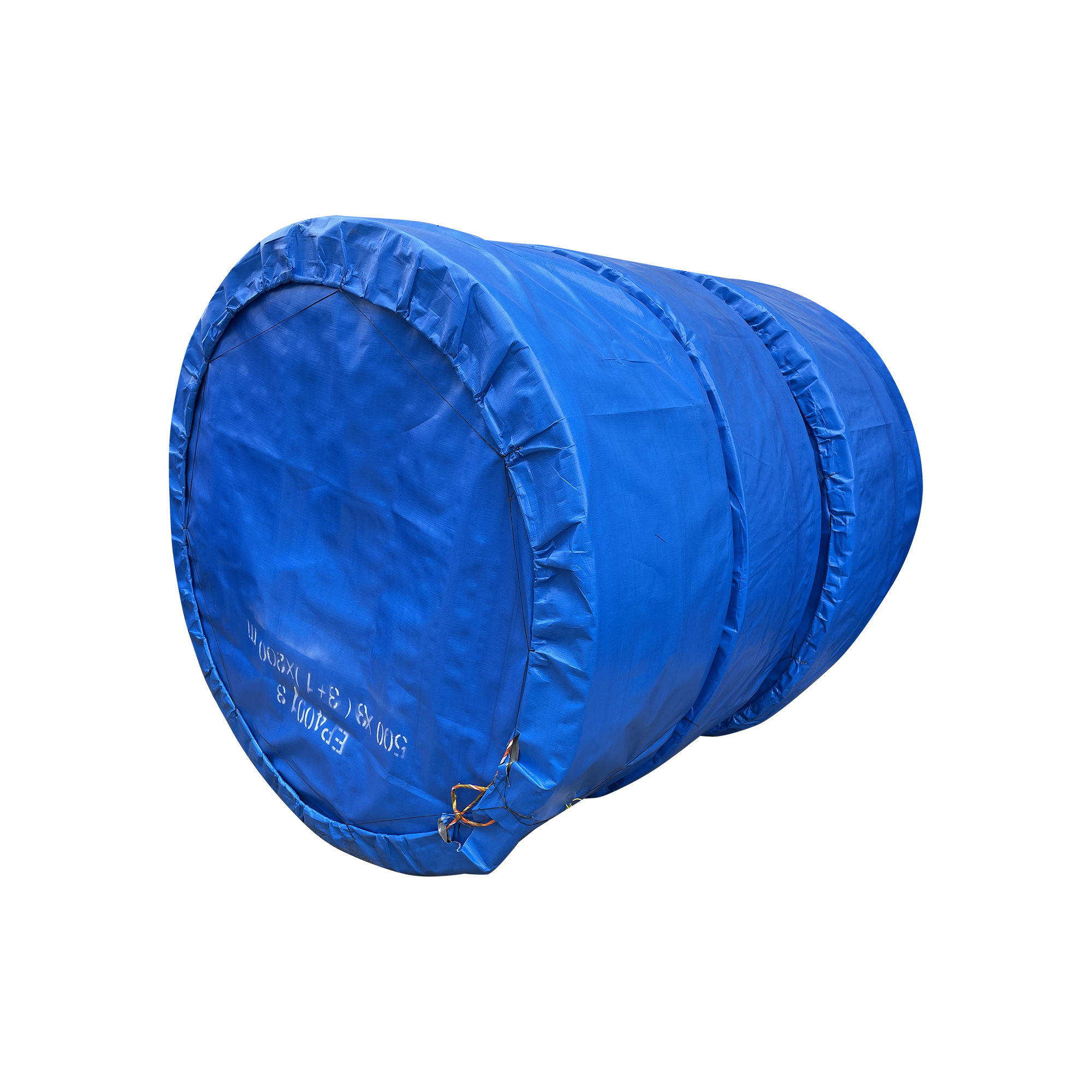
Structural additions transform a flat polymer sheet into a functional material handling solution. You must define the necessity of cleats, sidewalls, and tracking guides based on your specific incline angles and product flow patterns. Cleats prevent products from tumbling backward on steep inclines, while corrugated sidewalls contain granular materials. Note that every welded addition introduces a potential failure point. High-frequency welding techniques remain necessary to fuse these components seamlessly, preventing them from snapping off under heavy load.
Selecting the right splice type dictates hygiene levels and maintenance protocols. The endless or finger splice method stands as the best option for continuous, smooth operations. This vulcanized joint eliminates tiny gaps, removing potential bacteria traps entirely. However, endless splicing requires significant downtime for on-site vulcanization or requires you to dismantle machinery to install a pre-spliced loop. Conversely, mechanical fasteners offer rapid installation. Metal lacings allow maintenance teams to swap belts in minutes, making them ideal for environments where hygiene remains secondary. However, you must evaluate the risk of rigid metal fasteners damaging fragile products or catching on scraper blades.
Accurately translating your operational needs into a technical order requires precision. You must create a detailed custom conveyor belt spec sheet to ensure the vendor understands the exact physical layout. Provide technical drawings showing the exact placement, pitch, and height of every cleat. Detail the V-guide dimensions required for your tracking grooves. Clear, visual documentation eliminates manufacturing guesswork and prevents costly fabrication errors.
Configuration Checklist Chart | |
|---|---|
Cleat Dimensions | Specify height, width, and pitch distance between each cleat. |
Sidewall Specifications | Define the base width and overall height of corrugated walls. |
V-Guide Placement | Note whether the tracking guide sits dead center or offset. |
Splice Methodology | Indicate preference for finger splice, overlap, or mechanical lacing. |
Differentiating between standard stock rolls and custom-fabricated belts sets realistic rollout timelines. Standard uncut rolls ship quickly, often within days. Custom fabrications involving high-frequency welded cleats or complex finger splices require dedicated production runs. You must account for realistic manufacturing windows and domestic shipping buffers when planning your facility downtime.
Quality assurance protocols separate premium manufacturers from mere trading companies. Ask your prospective supplier to detail their in-house testing procedures. They should possess the laboratory capability to conduct tear resistance testing, joint strength analysis, and elongation under load tests. Requesting these specific QA reports demonstrates your engineering knowledge and forces suppliers to maintain strict quality controls before shipping your order.
If sourcing internationally, evaluate logistics and specific packaging methods closely. Polyurethane materials suffer permanent damage if creased during long transits. Reputable vendors utilize suspended core packaging, ensuring the heavy roll hangs securely within its crate without resting its weight on the material's surface. Additionally, verify compliance with all import customs declarations to avoid extended holds at port terminals.
Critically review warranty exclusions before finalizing the procurement contract. Manufacturers typically cover clear manufacturing defects, such as delamination caused by poor adhesive application. They rarely cover operational wear and tear. Ensure you understand exactly what physical failures qualify for replacement. Clarify liability rules regarding splice failures, especially if the vendor performed the vulcanization in their own facility.
Request and review exact Shore hardness and polymer composition datasheets.
Validate all minimum pulley diameter requirements against your existing machinery.
Demand official certification documents for FDA, USDA, or EU regulatory claims.
Confirm exact lead times, differentiating manufacturing days from transit times.
Verify suspended core packaging methods for all international or long-distance shipments.
Specifying the right material handling solution requires moving beyond basic measurements and entering the realm of strict parameter verification. Securing the ideal PU component represents a delicate balance of operational constraints, stringent compliance requirements, and verifiable material quality. By actively investigating polymer blends and matching tensile strengths to real-world loads, you eliminate the risk of premature machinery failure.
Your next step involves compiling your mechanical parameters into a standardized Request for Quotation (RFQ) document. Gather your precise length, width, minimum pulley diameter, peak load expectations, and ambient environmental data. Presenting this structured RFQ to manufacturers instantly elevates your purchasing process, ensuring vendors reply with accurate, technically viable solutions rather than generic catalog options.
A: You can perform a simple visual and tactile test. Genuine PU remains highly flexible in cold environments, whereas PVC becomes stiff and brittle. Furthermore, PU lacks the distinct, sharp chemical odor associated with the plasticizers used in PVC manufacturing. For absolute certainty, request a material safety data sheet (MSDS) detailing the exact chemical composition.
A: The minimum pulley diameter typically ranges between 40mm and 60mm for a standard 2-ply construction, depending heavily on the total material thickness. Thicker belts require larger pulleys to prevent delamination. Always consult your specific manufacturer's technical data sheet to match the exact bending radius requirements.
A: Polyurethane generally offers excellent compatibility with standard alkaline washdown chemicals used in food processing. However, exposure to highly concentrated acids or undiluted chlorine can degrade the polymer structure over time. You should cross-reference your specific sanitation chemicals with the belt manufacturer’s chemical resistance chart to ensure longevity.
A: A true polyurethane belt consistently outlasts PVC in high-abrasion applications, often running two to three times longer before requiring replacement. However, exact lifespans depend entirely on specific application variables like line speed, product weight, sanitation frequency, and environmental temperature extremes.