Views: 0 Author: Site Editor Publish Time: 2026-07-22 Origin: Site


Specifying bulk material handling equipment carries immense operational weight. You must carefully balance infrastructure limits against potential downtime when moving massive tonnages across challenging terrains. The primary engineering challenge lies in perfectly matching tensile strength against strict system constraints. Operators often struggle to find the precise balance needed to prevent premature failure, hidden core damage, or unnecessarily high power consumption. We created this comprehensive evaluation framework to help you navigate these exact mechanical challenges. You will learn how to accurately match specifications directly to your load tonnage and specific route length. We detail technical tension ratings, crucial transition distances, and essential splicing requirements. Following these precise engineering guidelines ensures your system runs efficiently while avoiding common structural pitfalls.
Steel cord belts are mandatory when system elongation must remain under 0.25% over extended lengths.
Selecting the correct ST (Standard Tension) rating requires calculating both static load and dynamic startup tensions.
Transition distance engineering is critical; improper pulley spacing will cause edge fatigue and core damage.
Total cost of ownership depends as much on splice integrity and cover grade selection as on the steel cord belt itself.
Engineers must identify the exact tipping point where standard fabric solutions fail to deliver safe results. High capacities paired with extended routes create massive operational tension. Standard polyester or polyamide materials simply cannot handle these extreme forces safely. You must upgrade to stronger internal architectures when system demands exceed fabric limitations. Moving thousands of tons per hour over several kilometers requires advanced structural engineering.
Fabric structures lose viability once operating tensions surpass specific engineering thresholds. You generally reach this tipping point when center-to-center distances exceed 1,000 meters. Extremely high capacities also force this transition. Heavy bulk materials like iron ore create immense static loads. These massive loads strain standard textiles far beyond their safe working limits. You must utilize stronger internal reinforcement to maintain overall system integrity under heavy loads.
Belt stretch significantly impacts your take-up pulley infrastructure during long distance conveying. Fabric materials typically elongate between 1.5% and 2.5% under operating tension. This continuous stretch requires massive gravity take-up towers to maintain proper friction. In contrast, internal metal reinforcement limits elongation to between 0.1% and 0.25%. This minimal stretch dramatically reduces the required take-up stroke. You save significant structural space while ensuring highly consistent tracking.
Advanced reinforcement offers superior longevity in highly demanding environments. The superior internal strength resists sudden impact shocks much better than layered fabrics. You experience significantly fewer unscheduled maintenance stops. Reduced structural elongation means fewer splice adjustments over the operational lifespan. Investing in durable internal architectures minimizes the risk of catastrophic rips. Your facility maintains continuous production cycles without constant intervention.
You must accurately specify tension ratings to prevent catastrophic snapping during peak operations. Engineers use standardized naming conventions to indicate maximum breaking strengths. Selecting the correct rating requires detailed mathematical modeling. You must account for both normal running operations and sudden dynamic shocks. We strongly emphasize mathematical precision over blind over-specification.
Manufacturers grade a steel cord conveyor belt using standard ST nomenclature. The letters ST stand for Standard Tension. The following number indicates the breaking strength measured in Newtons per millimeter (N/mm). An ST1000 rating means the structure withstands 1,000 N/mm of tension before failing. Heavy applications frequently require ratings ranging from ST3150 up to ST5400 or higher. You must match this exact rating directly to your calculated peak forces.
You cannot base your selection solely on steady-state running conditions. Dynamic loads pose the greatest threat to structural integrity.
Identify the peak dynamic loads occurring during initial startup sequences under full capacity.
Calculate emergency stopping forces. These often exceed normal running tensions significantly.
Apply an appropriate safety factor multiplier. Heavy ores require higher multipliers than lighter materials like coal.
Finalize the required N/mm rating based exclusively on these multiplied peak figures.
Standard safety factors usually range between 5:1 and 7:1 depending on system specifics. You must consult DIN 22101 standards to verify these exact multipliers.
Engineers sometimes choose excessively high ratings merely to guarantee absolute safety. This approach introduces severe negative consequences. A thicker internal carcass significantly decreases flexibility and troughability. The material will not form a proper U-shape on the idlers. You also increase the total mass unnecessarily. Heavier materials require larger drive motors to overcome starting inertia. You strain the entire mechanical drive system without gaining real benefits.
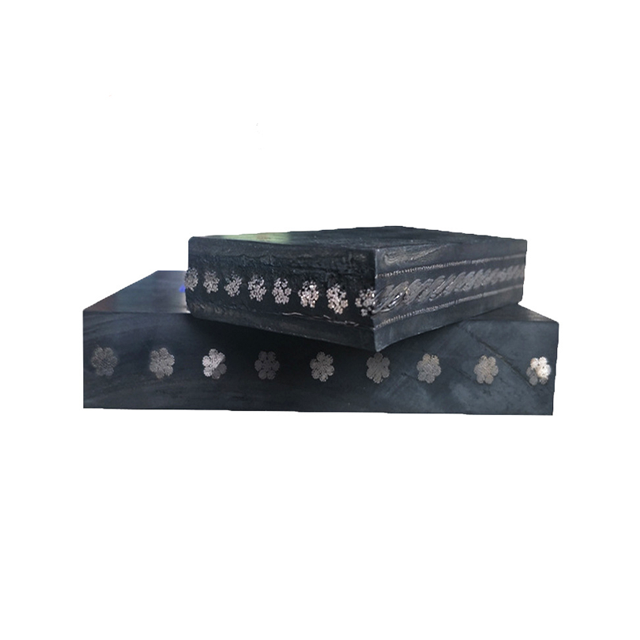
Extended routes require precise structural engineering at every single transfer point. You must carefully design pulley diameters and transition zones. Improper structural design causes internal friction and rapid degradation. A rigid steel cord belt behaves differently than flexible fabric alternatives. You must carefully accommodate its inherent physical properties.
Thicker internal wires demand much larger minimum pulley diameters. Small pulleys force the wires to bend too sharply around the curvature. This sharp bending causes rapid metal fatigue. Continuous flexing eventually breaks the vital chemical bond between the metal and the surrounding rubber. You must reference manufacturer technical data sheets to determine the absolute minimum diameter. Larger pulleys reduce internal shear stress effectively.
The transition zone stretches directly from the flat terminal pulley to the first fully troughed idler. This section experiences immense varying stresses daily.
Center lines travel a shorter distance than the outer edges in this specific zone.
Longer routes require extended transition distances to normalize these unbalanced forces safely.
Insufficient transition lengths cause the center sections to buckle upward immediately.
Short transitions simultaneously create extreme tension on the fragile outer edges.
You must calculate this distance based strictly on the troughing angle and the material thickness. Proper spacing prevents edge fatigue and protects the central core.
Heavy internal reinforcement directly impacts your total energy consumption. The added structural weight increases the indentation rolling resistance across every single idler. You must recalculate your specific friction coefficients carefully. These higher friction values demand much larger motor sizing. You must ensure your electrical infrastructure can support these increased power requirements. Proper motor selection prevents dangerous stall conditions during fully loaded startups.
The internal wires provide the necessary tensile strength. The rubber covers provide essential environmental protection. You must select appropriate chemical compounds to shield the internal structure. Sharp rocks and severe climates destroy inadequate covers quickly. A specialized mining conveyor belt relies entirely on its specific cover grade for longevity.
You must correlate specific bulk characteristics to standardized DIN or ISO cover grades. Heavy materials dropping from significant heights demand high impact resistance. Grade X compounds offer excellent protection against deep cutting and gouging. Grade Y compounds work exceedingly well for highly abrasive materials like crushed quartz. Grade W provides resistance against both extreme wear and tearing. You must analyze your loading chute design alongside these grades.
Extreme operational environments require highly modified chemical rubber compounds to survive.
Environmental Hazard | Required Cover Grade | Application Scenario |
|---|---|---|
Underground Fire Risks | Fire Resistant (FR) | Underground coal operations requiring self-extinguishing properties. |
Sub-Zero Climates | Cold Resistant | Arctic operations preventing rubber embrittlement and cracking. |
Hydrocarbons & Solvents | Oil Resistant (MOR) | Wood chips or chemically treated materials degrading standard rubber. |
You must verify these specialized protections through independent laboratory testing. Standard grades fail rapidly when exposed to incompatible chemicals or extreme temperatures.
Establishing the correct ratio between top and bottom covers optimizes system performance. The top cover receives the direct brunt of material impact. It requires significantly greater thickness. The bottom cover only interacts with the clean steel idlers. You keep the bottom cover thinner to minimize unnecessary mass. A standard ratio often falls around 3:1 for a heavy duty conveyor belt. Proper ratios protect the internal carcass while maintaining efficient energy consumption.
Installation quality determines your ultimate system reliability. Even the highest quality materials fail quickly if you execute the splicing improperly. You must eliminate internal fatigue risks through rigorous installation protocols. Advanced monitoring technologies provide early warning signs. We view the splicing process as the most critical implementation phase.
Engineers often refer to sudden internal failure as "heartbreak." This occurs when the internal wires snap without any obvious external warning. Misaligned idlers constantly push the material off-center. This wander creates severely uneven tension. Trapped material between the structure and pulleys acts like a dull knife. Insufficient transition lengths stretch the outer wires beyond their yield point. You must align your system perfectly using laser tools to prevent this hidden fatigue.
You cannot use standard mechanical fasteners on a high tensile conveyor belt. Fasteners pull cleanly through the rubber under immense tension.
Hot vulcanization remains the absolute only acceptable joining method.
Technicians must meticulously strip back the rubber and expose the bare wires.
They arrange these specific wires in precise, interlocking step-splicing patterns.
Strict environmental controls prevent destructive moisture contamination during the curing process.
A properly executed vulcanized joint achieves dynamic strength nearly equal to the original ST rating. Poor environmental control reduces joint strength drastically.
Critical routes require continuous automated monitoring systems. Embedding rip detection technologies prevents catastrophic longitudinal tearing. Sensor loops vulcanized directly into the covers communicate with localized transceivers. The system shuts down the drive motors instantly if a loop breaks. RFID tags help track specific splices accurately over time. You can monitor elongation trends and schedule maintenance before a complete structural failure occurs.
Selecting the right manufacturing partner ensures long-term operational success. You must provide exact engineering parameters to receive accurate quotes. Evaluating vendor expertise goes far beyond comparing basic data sheets. You must audit their testing capabilities and review their warranty terms thoroughly.
You must provide non-negotiable data points when requesting technical proposals. Include the exact center-to-center distance. List the maximum incline and decline angles accurately. Specify the maximum required tonnage per hour. Detail the maximum bulk material lump size dropping onto the system. Provide the installed drive motor power. Missing data forces vendors to guess. Guessing leads to entirely incorrect specifications.
Audit prospective vendors using strict technical evaluation criteria.
Verify their in-house testing facility certifications directly.
Ensure they manufacture splice kits completely compatible with their rubber compounds.
Review their specific warranty terms regarding long-term elongation limits.
Check their guaranteed cover wear rates under specific bulk tonnage conditions.
Experienced manufacturers provide comprehensive engineering support during the initial design phase. They help you verify your complex tension calculations.
Finalize your exact static and dynamic tension calculations first. Reach out to three shortlisted manufacturers. Request their detailed technical data sheets for the specified ST ratings. Compare their recommended minimum pulley diameters against your existing mechanical infrastructure. Careful planning ensures successful implementation and prevents costly redesigns.
Specifying appropriate internal reinforcement requires a delicate balance of tension limits, route distance, and environmental resilience. You cannot rely on mere guesswork when moving heavy bulk materials over kilometers of rough terrain. Prioritize exact transition distance engineering above all else. Enforce strict hot vulcanized splicing protocols. Avoid simply buying the highest ST rating available. Calculate your dynamic loads, evaluate your cover grade needs accurately, and select a specification that precisely matches your operational realities. This rigorous approach prevents unexpected downtime and maximizes overall system efficiency.
A: Modern single-flight systems can exceed 20 kilometers under optimal conditions. Engineers determine the maximum distance by balancing the total required operational tension against the highest available ST rating. Transfer stations become necessary when terrain changes drastically or when the required tension clearly exceeds the physical limits of the strongest available reinforcement.
A: You calculate the rating by determining the peak dynamic tension during a fully loaded startup or emergency stop sequence. You factor in the material load, route speed, and severe elevation changes. You then apply a safety factor, typically between 5:1 and 7:1, to ensure the breaking strength safely exceeds these peak operational forces.
A: Yes, trained technicians can repair minor longitudinal rips using hot vulcanized repair methods. They strip the damaged covers, replace broken wires if localized, and vulcanize new rubber over the area. However, severe structural damage spanning multiple internal wires often requires completely cutting out the damaged section and splicing in a new segment.
A: ST models use longitudinal steel wires embedded tightly in rubber. They offer extremely high tensile strength and very low elongation, making them ideal for long distances. EP models use synthetic fabric layers made of polyester and polyamide. Fabric models stretch more and are better suited for shorter, lower-tension applications requiring higher structural flexibility.