Views: 0 Author: Site Editor Publish Time: 2026-03-26 Origin: Site


Regular maintenance and timely replacement of Poly V belts are essential for maintaining machinery performance. A Poly V belt plays a critical role in efficient power transmission, and if left unchecked, it can lead to reduced efficiency, increased energy consumption, and even mechanical failure. The lifespan of Poly V belts is influenced by factors like operating conditions (e.g., temperature, humidity, and exposure to contaminants), load, speed, and the frequency of maintenance. Understanding these factors and replacing the belt at the right time can prevent unexpected downtime, protect other components, and ensure smooth operation of the machinery.
One of the most obvious signs that a Poly V belt needs replacing is visible wear and tear. Over time, the belt may develop cracks, fraying, or glazing on its surface. Cracks and fraying indicate that the material is degrading, while glazing — a shiny or slick appearance — suggests that the belt has been exposed to excessive heat or friction, which can reduce its ability to grip properly. These signs indicate the belt has reached the end of its effective lifespan.
If the machinery experiences reduced performance or power loss, it could be a sign that the Poly V belt is slipping. Slippage occurs when the belt can no longer maintain sufficient friction with the pulley, causing a loss of power transmission. This can lead to inefficient operation, decreased productivity, and increased energy consumption. Slippage often happens when the belt is worn down, loses elasticity, or becomes misaligned.
Unusual noise or vibration during operation can also indicate that a Poly V belt needs replacing. A properly functioning belt should run smoothly without excessive noise. If the belt starts making squealing, whining, or clicking sounds, it could be a sign of misalignment, worn ribs, or insufficient tension. Similarly, vibrations might occur if the belt is no longer maintaining proper contact with the pulleys, which could lead to further damage if not addressed promptly.
The operating conditions in which a Poly V belt functions play a significant role in its lifespan. Temperature extremes — whether too hot or too cold — can cause the belt material to degrade, becoming brittle or overly elastic, which reduces its effectiveness. Humidity and exposure to water can also cause the belt to weaken or corrode, especially if it’s not made from materials resistant to moisture. Additionally, exposure to contaminants such as oil, grease, dust, or chemicals can shorten the life of the belt by causing deterioration of its surface, leading to cracks, fraying, or loss of grip.
The load and speed of the machinery in which the Poly V belt is used significantly affect its wear and tear. High load can put excessive strain on the belt, causing it to stretch and wear down faster. Similarly, higher speeds increase friction and heat generation, which can accelerate the degradation of the belt. Overloading the machine or running it at higher speeds than the belt is rated for can lead to premature belt failure, while operating within recommended limits helps prolong the belt’s service life.
Regular maintenance is crucial for extending the life of a Poly V belt. Frequent inspections can help identify early signs of wear, misalignment, or tension loss, allowing for timely adjustments or replacements before more significant damage occurs. Tensioning the belt properly ensures it is neither too tight nor too loose, as both conditions can lead to accelerated wear. Keeping the system well-maintained with routine checks for cleanliness, alignment, and lubrication can significantly extend the lifespan of the Poly V belt.
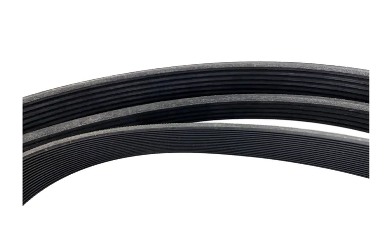
One of the most important factors in extending the lifespan of a Poly V belt is ensuring proper installation and alignment. If the belt is not installed correctly, it can experience unnecessary strain, leading to premature wear. This includes making sure the belt is the right size and type for the machine, and that it is installed with the correct tension. Additionally, ensuring that the pulleys are properly aligned with the belt is crucial. Misalignment causes uneven wear, excessive friction, and could lead to belt slippage, all of which shorten the belt’s service life. Proper installation and alignment minimize stress on the belt, ensuring it operates efficiently and lasts longer.
Setting up a schedule for regular checks is essential for extending the life of a Poly V belt. Routine inspections allow you to identify any signs of wear, such as cracks, glazing, or fraying, before they cause a major problem. Regular checks can also ensure the belt is still properly tensioned and aligned. By catching potential issues early, you can replace the belt before it fails completely, preventing costly downtime and damage to other components. Scheduling periodic maintenance, including cleaning the belt and checking for contaminants or debris, also helps in keeping the belt in optimal condition.
Investing in high-quality Poly V belts and applying proper lubrication when necessary can also significantly extend the belt’s lifespan. High-quality belts are made from better materials, which provide superior durability and resistance to wear. Additionally, when using lubricants or cleaning agents, ensure that they are compatible with the belt material to avoid degradation. Proper lubrication helps reduce friction, lowering wear and tear on both the belt and the pulleys, ensuring smoother operation over time.
When deciding whether to replace a Poly V belt, it’s important to weigh the cost of replacement against the potential costs of machinery downtime or failure. While replacing a worn belt might seem like an upfront expense, the cost of delaying replacement can be much higher. A failing belt can lead to equipment breakdowns, reduced productivity, and more expensive repairs to other machine components caused by the belt’s failure. Additionally, unplanned downtime can be costly in terms of lost production time. By replacing the belt proactively, you avoid these larger, hidden costs, making it a more cost-effective choice in the long run.
Determining the most cost-effective time for replacement involves evaluating the belt’s wear, performance, and the operating conditions. Regular inspections can provide insights into the belt’s condition, such as signs of wear or slippage. If the belt is still functioning efficiently, but showing minor wear, it may be best to replace it during scheduled maintenance to minimize downtime. However, if the belt is significantly worn and showing signs of failure, replacing it sooner rather than later can prevent a sudden breakdown and the associated costs. A proactive approach to replacement — based on the belt’s condition rather than waiting for complete failure — can save money by avoiding costly repairs and downtime.
To achieve the most cost-effective results, establish a replacement schedule that aligns with regular machine maintenance intervals. Monitoring wear and performance metrics, such as tension loss, slippage, and visible damage, can help determine the right time for replacement. Using these metrics, machines can be kept running smoothly, avoiding both premature replacements and unnecessary failures. Additionally, opting for bulk replacements or working with suppliers for cost-saving bulk purchase options can further reduce long-term costs.
Look for signs like cracks, fraying, glazing, or noise during operation. Slippage or loss of performance are also indicators that the belt is losing its grip and may need replacing. Regularly inspect the surface and edges of the belt for visible damage to avoid unexpected breakdowns.
Yes, you can prolong the life of a Poly V belt by ensuring proper installation, regular monitoring, and maintaining proper tension. Regular maintenance such as cleaning the belt, checking for contamination, and ensuring proper alignment will also help reduce unnecessary wear, allowing the belt to operate efficiently for a longer period.
Harsh operating conditions, such as extreme temperatures, high humidity, heavy loads, or exposure to contaminants like oil, dust, or chemicals, can all reduce the belt’s lifespan. Frequent high-speed operation or heavy shock loads can also contribute to premature wear.
There isn't a fixed schedule, but belts should be inspected regularly and replaced based on the manufacturer’s recommendations or whenever wear becomes evident. Regular checks for cracks, tension loss, or visible damage help determine the best time for replacement to avoid unexpected failures and costly downtime.
Knowing when to replace a Poly V belt is essential to maintaining optimal machinery performance and preventing costly downtime. The decision to replace a belt should be based on a combination of factors such as visible signs of wear, slippage, noise, and vibration. Regular inspections and monitoring of the belt’s condition, including tension and alignment, are critical for early detection of issues. Additionally, operating conditions like temperature, humidity, and load can accelerate wear, making it important to assess the belt’s performance under real-world conditions. Ideally, replacement should be done before the belt reaches a point of failure to avoid unexpected disruptions. By considering these factors and replacing the belt at the right time, you can ensure longer lifespan, better efficiency, and smoother operation of your machinery.