 |






| Quantity: | |
|---|---|
Z,M,A,B,C,D,E,F,20,25
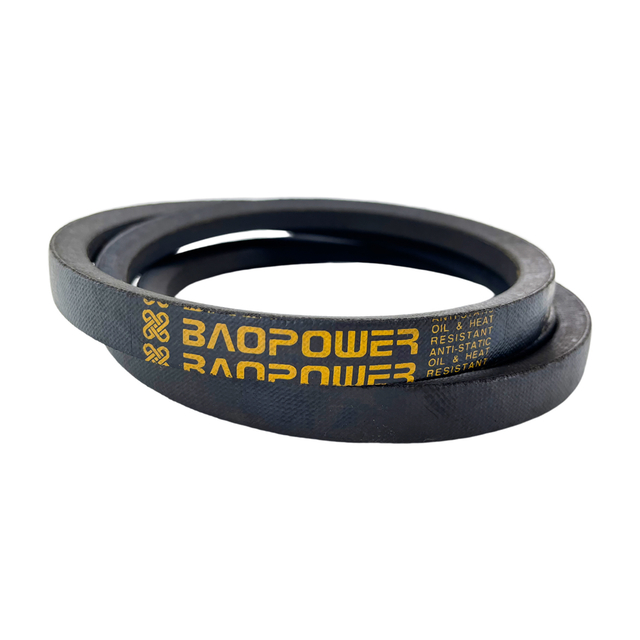
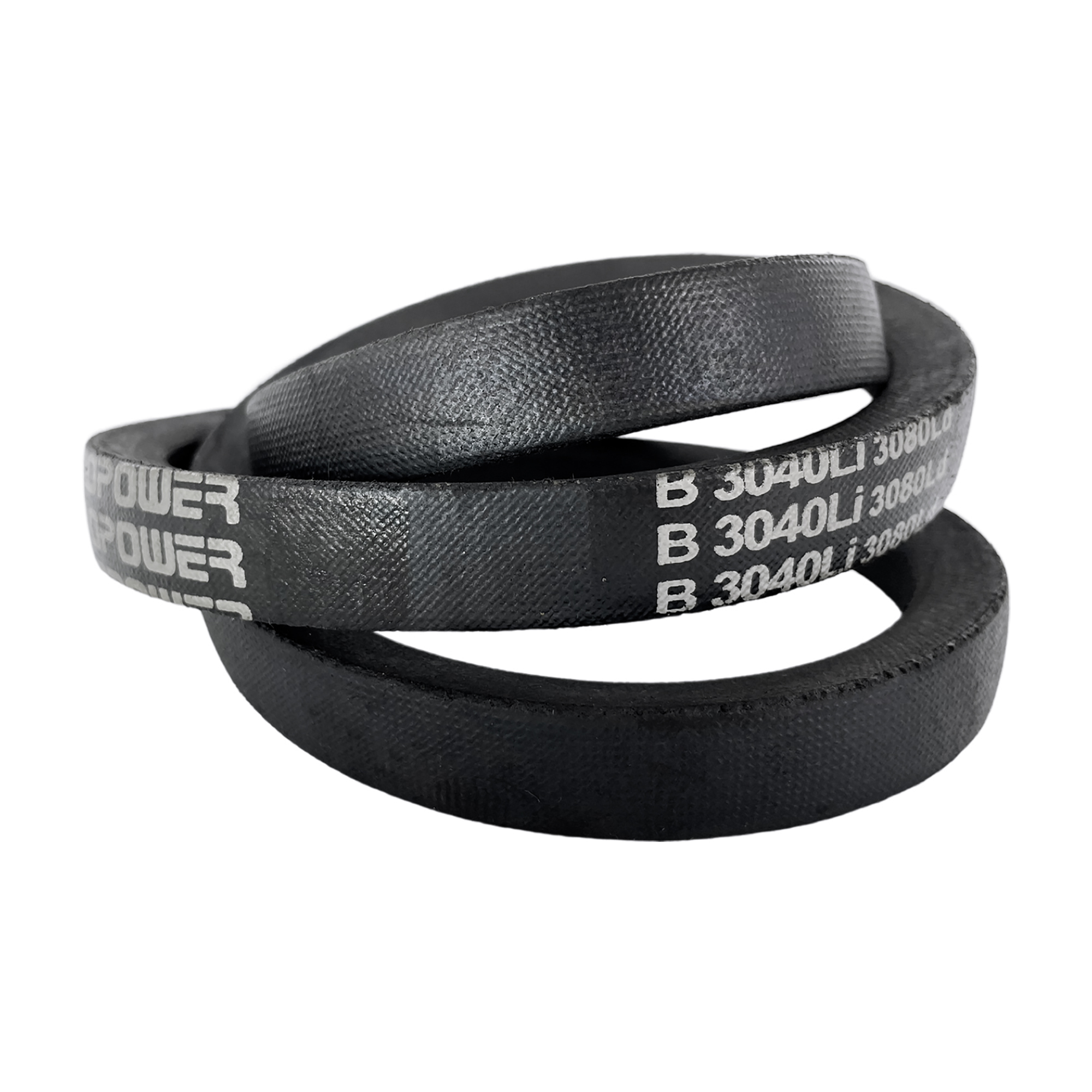
The wrapped classic V belt features a rubber compound body reinforced with polyester tension cords running longitudinally along the belt length. The polyester cords serve as the primary load-bearing element, providing dimensional stability under continuous tension. The rubber compound encasing the cords is formulated with elastomer materials selected for flexibility and resistance to flex fatigue. The V-shaped cross-section allows the belt to seat properly within sheave grooves, creating wedge action that increases friction contact area with pulley walls.
The outer surface of the belt is enveloped in a woven fabric cover that protects the internal rubber compound from abrasion, dust, and environmental exposure. The fabric wrap also provides a consistent surface texture that interfaces with pulley grooves. This wrapped construction distinguishes the belt from raw-edge or cogged variants, offering a uniform exterior suitable for general-purpose drive applications.

The following table lists standard cross-section dimensions for wrapped classic V belt profiles:
Section | Top Width (mm) | Height (mm) | Angle (°) | Standard Length Range (mm) |
|---|---|---|---|---|
Z | 10 | 6 | 40 | 400 - 2,000 |
A | 13 | 8 | 40 | 500 - 6,000 |
B | 17 | 11 | 40 | 600 - 10,000 |
C | 22 | 14 | 40 | 1,000 - 18,000 |
D | 32 | 19 | 40 | 2,000 - 25,000 |
E | 38 | 23 | 40 | 3,000 - 30,000 |
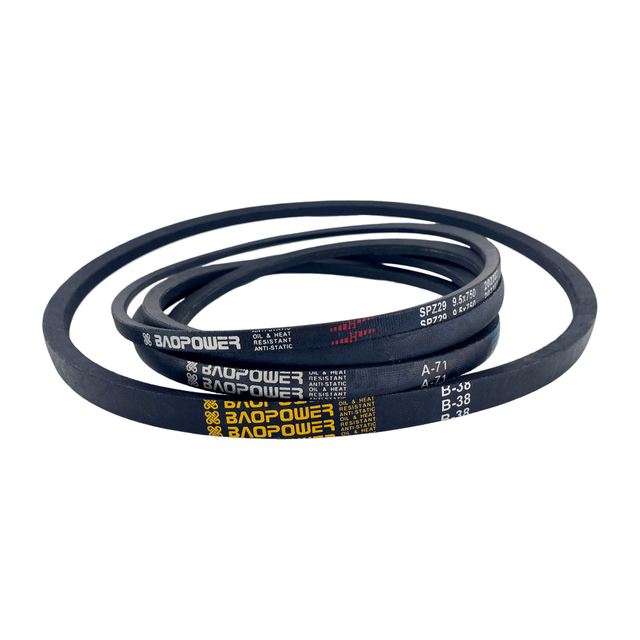
Available models include Z, M, A, B, C, D, E, F, 20, and 25 sections. Lengths are specified by inside circumference per ISO 4184 and DIN 2215 standards.
Wrapped classic V belts are installed in heating, ventilation, and air conditioning systems to transfer rotational power from motors to fans, blowers, and pumps. Their stable tension characteristics support consistent airflow rates in commercial building mechanical rooms and rooftop HVAC units.
In agricultural equipment, these belts drive components such as combine harvester headers, baler mechanisms, and tractor power take-off systems. The wrapped construction provides resistance to field debris, dust, and moisture encountered in outdoor farming environments.
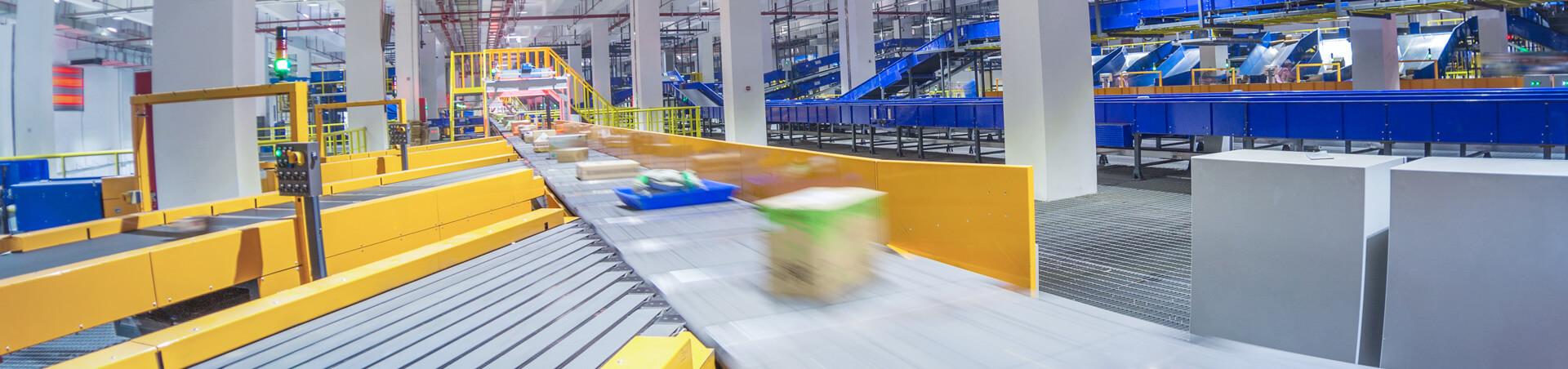
Manufacturing facilities deploy wrapped classic V belts on conveyor drives, machine tool accessories, packaging machinery, and material handling systems. The belts operate across a range of speeds and load conditions found in assembly lines and processing plants.
The belt operates within a temperature range of -30°C to +80°C (-22°F to +176°F). Actual performance at temperature extremes depends on the specific rubber compound formulation and duration of exposure.
Polyester cord reinforcement provides low elongation under load, with typical elongation at rated load below 1.5 percent. The belt transmits power through wedge action between the V-shaped sides and the sheave groove, with power capacity scaling with cross-section size and belt speed.
The rubber compound exhibits resistance to oil contact and heat buildup from continuous flexing. The belts are antistatic per ISO 1813, making them suitable for installations where static discharge control is required. Limited oil resistance is standard; for heavy oil exposure, specialized compound formulations are available.
Proper installation requires setting initial tension according to sheave diameter, center distance, and drive horsepower. Insufficient tension causes slippage and heat generation; excessive tension accelerates bearing wear and reduces belt life. A tension gauge or deflection measurement method should be used to verify correct tension.
Misaligned sheaves cause uneven belt wear, edge damage, and premature failure. Sheave alignment should be verified with a straightedge or laser alignment tool. Parallel misalignment should not exceed 0.5 degrees, and angular misalignment should be kept within manufacturer specifications.
Periodic inspection should check for cracks, fraying, glazing, and excessive wear on the belt sides. Belt tension should be rechecked after the first 24 to 48 hours of operation as the belt seats into the sheaves. Replacement is recommended when belts show visible cracking on the sidewalls or when tension cannot be maintained within specification.
Wrapped classic V belts are available in Z, M, A, B, C, D, E, F, 20, and 25 cross-section models. Each section corresponds to specific top width and height dimensions per ISO 4184 standards.
Wrapped classic V belts typically operate within -30°C to +80°C (-22°F to +176°F). Performance at extreme temperatures varies by rubber compound formulation.
Belt length is determined by sheave diameters and center distance. The formula for approximate belt length is: L = 2C + 1.57(D + d) + (D - d)² / 4C, where C is center distance, D is the larger sheave diameter, and d is the smaller sheave diameter. Always verify with the manufacturer's length selection chart.
Initial inspection should occur after the first 24 to 48 hours of operation to check tension. Thereafter, monthly visual inspection is recommended for normal-duty applications, with more frequent checks for heavy-duty or high-temperature environments.
Yes, multiple belts can be used in matched sets on multi-groove sheaves to increase power transmission capacity. Matched sets ensure uniform load distribution across all belts in the set.