Views: 0 Author: Site Editor Publish Time: 2026-04-02 Origin: Site


Rubber V belts are crucial components used to transfer power across a wide range of machinery. Whether it’s in automotive engines, industrial machinery, or household appliances, these belts are subject to challenging operating conditions, particularly when exposed to high temperatures. The ability of Rubber V belts to perform under such conditions is a key factor in determining their longevity and reliability. This article explores whether Rubber V belts can operate in high-temperature environments, the materials used for heat resistance, the benefits and challenges of using these belts in hot conditions, and how to select the best rubber belts for high-temperature applications.
A Rubber V belt is a loop of rubber used in machinery to transfer power from one rotating shaft to another. These belts are widely used due to their ability to efficiently transmit power across pulleys, preventing slippage and ensuring smooth operation. The V-shape of these belts allows them to maintain high friction with the pulleys, offering reliable power transmission in various applications.
Temperature resistance is crucial for Rubber V belts since they are often exposed to extreme conditions in various industries, including automotive, industrial, and agricultural sectors. High temperatures can lead to premature wear, degradation, and performance loss, affecting machinery efficiency. Therefore, understanding the temperature limits and resistance of Rubber V belts is essential for selecting the right belt for high-temperature environments.
The temperature resistance of Rubber V belts largely depends on the type of rubber used in their construction. Different types of rubber provide varying degrees of heat resistance, with some materials better suited for extreme temperature conditions.
Natural Rubber: Natural rubber is known for its excellent elasticity and wear resistance under normal conditions. However, it is not suitable for high temperatures, as it tends to degrade when exposed to heat, causing the belt to crack and lose its flexibility.
Synthetic Rubber (e.g., EPDM, Neoprene): EPDM (Ethylene Propylene Diene Monomer) rubber and Neoprene are synthetic rubbers that are specifically designed for high-temperature environments. EPDM offers excellent resistance to heat, ozone, and weathering, making it ideal for applications in automotive engines and industrial machinery. Neoprene, while offering good heat resistance, is often used in less extreme applications due to its moderate heat tolerance.
Rubber V belts made from synthetic rubbers like EPDM and Neoprene are capable of handling high temperatures, often exceeding 140°C (284°F) without losing their performance. These materials maintain their elasticity and flexibility under heat, ensuring the belt can function efficiently even in environments where heat levels fluctuate or remain high. However, each type of rubber has its own temperature limit. For example, EPDM belts can handle temperatures up to 150°C (302°F), while Neoprene belts typically work well up to 120°C (248°F).
High-temperature resistance is crucial in several industries:
· Automotive: In automotive engines, EPDM belts are used to drive various components like alternators, air conditioning compressors, and power steering pumps.
· Industrial Machinery: Manufacturing equipment and conveyors often use high-temperature-resistant Rubber V belts to ensure continuous operation in factories where heat levels can be elevated.
· Agriculture: Agricultural machinery, such as combine harvesters and tractors, is subject to high operating temperatures, making heat-resistant belts essential for reliability and performance.
Material | Maximum Temperature Resistance | Ideal Application | Advantages |
Natural Rubber | Up to 70°C (158°F) | General-purpose, low-temperature environments | Good elasticity and wear resistance under normal conditions |
EPDM (Synthetic) | Up to 150°C (302°F) | Automotive, industrial machinery, heavy-duty equipment | Excellent heat, ozone, and weather resistance |
Neoprene (Synthetic) | Up to 120°C (248°F) | Automotive, HVAC systems, light industrial machinery | Good heat resistance and moderate flexibility |
One of the major advantages of using heat-resistant Rubber V belts, especially those made with EPDM or Neoprene, is their durability in high-temperature environments. These materials are designed to withstand prolonged exposure to heat without cracking, hardening, or becoming brittle. As a result, they last longer than standard belts made from natural rubber, which would degrade rapidly under high temperatures.
Rubber V belts made from EPDM and Neoprene maintain consistent power transmission even in challenging conditions. This ensures that machinery continues to operate smoothly, even in high-heat environments. Consistent performance reduces the likelihood of equipment failure, leading to increased uptime and fewer interruptions to productivity.
By using high-temperature-resistant Rubber V belts, businesses can experience long-term cost savings due to reduced maintenance needs and less frequent replacements. With a longer lifespan, these belts contribute to a more cost-effective and reliable operation, especially in industries where machinery operates continuously under high stress.
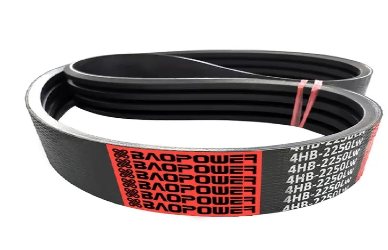
While EPDM and Neoprene offer excellent heat resistance, prolonged exposure to extremely high temperatures can still cause degradation over time. Overheating can cause the belt to become brittle, reducing its flexibility and leading to cracks. In extreme cases, the belt may fail entirely, causing unplanned downtime and increased repair costs.
Excessive heat can significantly affect the flexibility of Rubber V belts. As the rubber material hardens, the belt becomes less able to flex, which can reduce its grip on pulleys and lead to slippage. This loss of flexibility also increases the risk of the belt breaking under pressure.
Rubber V belts rely on a strong grip between the belt and the pulley to transmit power efficiently. High temperatures can cause the rubber to lose its ability to maintain this grip, resulting in slippage. Slipping belts reduce the efficiency of machinery, increase energy consumption, and can even cause damage to the belt and the pulleys.
When choosing a Rubber V belt for high-temperature environments, the material is the most important factor to consider. EPDM is ideal for high-heat environments where ozone and weather resistance are also crucial. On the other hand, Neoprene is better suited for moderate temperatures and lighter applications, where the conditions are not as extreme.
The right belt must be selected based on the machinery's requirements. For example, belts used in automotive engines or industrial machinery need to be able to withstand high temperatures while still providing the necessary tensile strength and flexibility. It's essential to ensure that the material is compatible with the machine's operating conditions, including the speed, load, and environmental factors.
To ensure that Rubber V belts perform optimally in high-temperature conditions, regular maintenance is essential. This includes inspecting belts for signs of wear, ensuring proper tension, and checking for any degradation due to heat exposure. Regular lubrication and cleaning can help maintain the belt’s performance and longevity, reducing the risk of failure.
No, only specific types of synthetic rubber belts, such as EPDM and Neoprene, are designed to handle high temperatures. Natural rubber belts cannot withstand high heat and will degrade quickly. Synthetic rubbers like EPDM and Neoprene provide better heat resistance, ensuring longer-lasting performance in high-temperature applications. These belts are specifically designed to maintain their flexibility and strength even under harsh conditions.
High temperatures can cause rubber degradation, reduced flexibility, and increased wear on the belt. Over time, this leads to cracks, loss of elasticity, and eventual belt failure. Prolonged exposure to heat can also lead to hardening of the rubber, reducing its ability to grip pulleys effectively, which can result in slippage and inefficiency.
Regular maintenance, proper installation, and choosing the right material for high-temperature use, such as EPDM, will help extend the lifespan of the belt. Additionally, ensure proper tensioning and alignment to prevent unnecessary strain, and regularly check for wear or signs of heat damage. Using heat-resistant materials like EPDM or Neoprene is also crucial to ensure reliable performance in environments with high temperatures.
Yes, automotive engines, industrial machinery, and agricultural equipment often require Rubber V belts that can withstand high operating temperatures. These belts are essential for ensuring efficient performance in such industries. In automotive engines, for example, belts need to endure high heat from the engine while maintaining performance. Similarly, industrial machinery and manufacturing processes frequently operate in high-temperature conditions, making heat-resistant belts critical for efficiency and durability.
Rubber V belts, particularly those made from EPDM and Neoprene, are designed to perform efficiently in high-temperature environments, offering excellent heat resistance and ensuring long-lasting, reliable power transmission. Choosing the right material, such as EPDM for extreme temperatures or Neoprene for moderate heat, is essential for optimal performance. However, proper installation, regular maintenance, and monitoring are critical to extending the lifespan of these belts in high-heat applications. By carefully selecting the right belt material and maintaining it properly, industries can ensure their machinery runs smoothly, minimize downtime, and reduce maintenance costs, ultimately improving efficiency and productivity.