 |


| Quantity: | |
|---|---|
HG(HB) HH(HC) Hl HJ HK HL HM HN HO
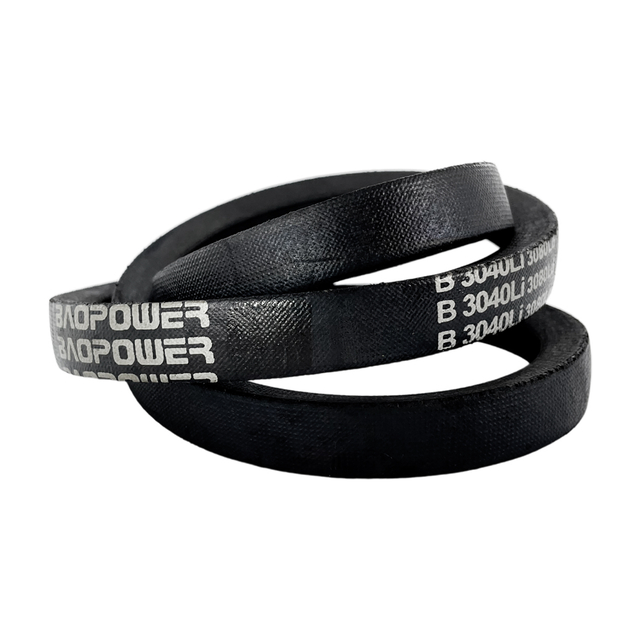
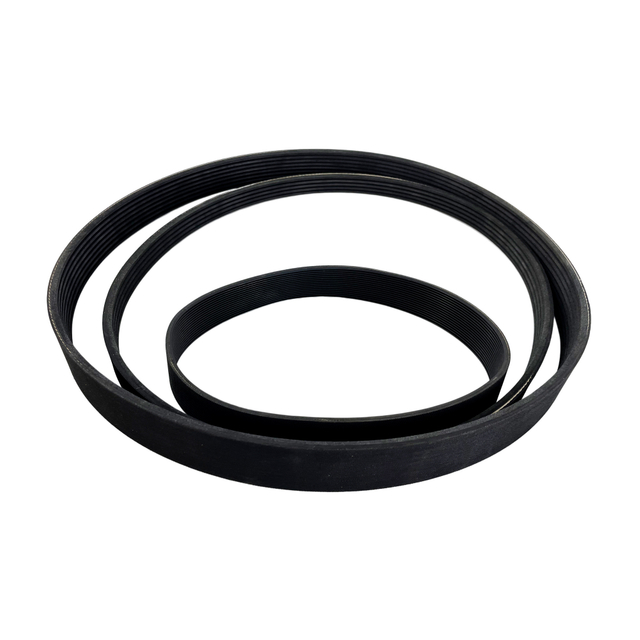
The Agricultural Harvester Rubber V Belt is a power transmission component engineered for agricultural machinery applications. Designed to transfer rotational power from engine systems to driven components, this belt serves as a critical part in combine harvesters, tractors, and other farm equipment. The V-shaped cross-section provides wedge action within pulley grooves, enabling consistent power transfer across varying load conditions encountered during harvesting operations. Manufactured with rubber compound and fabric reinforcement layers, the belt is built to operate in field conditions where exposure to dirt, dust, moisture, and temperature fluctuations is common.

The belt body is constructed using a rubber compound formulated for flexibility and wear resistance. The compound maintains dimensional stability under mechanical stress and environmental exposure, supporting consistent performance throughout the service period.
Multiple fabric reinforcement plies are embedded within the rubber matrix to provide tensile strength and structural integrity. These reinforcement layers distribute load across the belt width, reducing stress concentration points and supporting the power transmission capacity of the belt.
The cogged bottom profile allows the belt to flex around smaller pulley diameters while maintaining contact area. This design reduces bending stress at the pulley interface and supports heat dissipation during continuous operation.
The rubber material absorbs mechanical vibration generated during equipment operation, reducing stress on connected components and contributing to smoother drive system performance.
The belt formulation supports operation across a range of ambient temperatures encountered in outdoor agricultural environments, from cool morning conditions to elevated midday temperatures.
The outer surface of the belt exhibits resistance to abrasion from pulley contact and environmental particulates, which helps maintain belt dimensions and power transfer efficiency over time.
The Agricultural Harvester Rubber V Belt finds application across multiple types of farming equipment. In combine harvesters, these belts drive cutting mechanisms, threshing cylinders, and conveyor systems that process harvested crops. In tractor systems, they power auxiliary components such as pumps, fans, and implement drives. The belts also serve in hay balers, cotton harvesters, and other specialized agricultural machinery where consistent power transfer is required. For commercial procurement teams sourcing replacement parts for farm fleets, these belts offer compatibility with standard agricultural equipment specifications.
Model Designation | Profile Type | Application Category |
|---|---|---|
HG (HB) | Standard V | General agricultural drives |
HH (HC) | Heavy-duty V | High-load harvester systems |
HI | Narrow V | Compact drive arrangements |
HJ | Cogged V | Small pulley applications |
HK | Wide V | High-torque transmission |
HL | Double V | Backside drive systems |
HM | Hexagonal V | Reversible drive configurations |
HN | Banded V | Multi-gang drive assemblies |
HO | Smooth V | Specialized pulley systems |
Custom lengths and cross-section modifications are available to match specific equipment requirements.
These belts are used in combine harvesters, tractors, balers, and various farm implements where rotational power transfer is needed. They drive components such as pulleys, pumps, fans, and harvesting mechanisms.
Identify the existing belt model number printed on the belt, or refer to the equipment manufacturer's specification manual. Cross-reference the profile type, length, and width with the available model range to find the matching replacement.
Yes, the belt construction is designed for outdoor agricultural environments. The rubber compound and fabric layers resist penetration by dust and dirt particles. Regular inspection and cleaning of pulley grooves are recommended to maintain optimal belt performance.
Service life varies based on operating conditions, load levels, pulley alignment, and maintenance practices. Factors such as exposure to abrasive materials, extreme temperatures, and misaligned pulleys can affect belt longevity. Following manufacturer installation guidelines and performing routine inspections helps maximize service duration.