Views: 0 Author: Site Editor Publish Time: 2026-03-30 Origin: Site


Rubber V belts are integral components in many machines, driving power from one part to another. Whether in automotive engines, industrial machinery, or household appliances, these belts need to be made from materials that ensure longevity, durability, and optimal performance. Understanding the materials used in Rubber V belts can help you select the best option for your machinery, ensuring maximum efficiency and minimizing the risk of breakdowns. In this article, we will explore the common materials used in the construction of Rubber V belts, how they impact belt performance, and the factors that influence material selection.
Rubber V belts are typically made from a combination of different materials that each provide specific benefits. These materials ensure that the belts can withstand the demanding conditions of power transmission, such as friction, wear, and exposure to extreme temperatures. Let's break down the key components of Rubber V belts.
The most crucial component of a Rubber V belt is the rubber compound. Rubber is chosen for its flexibility, elasticity, and durability, allowing the belt to grip pulleys and transmit power efficiently.
Natural Rubber:
Natural rubber is derived from the sap of rubber trees and is known for its excellent elasticity and abrasion resistance. It is often used in belts that require good flexibility and durability. However, natural rubber can be susceptible to degradation from heat and exposure to oils, making it less ideal for heavy-duty industrial applications.
Synthetic Rubber (e.g., EPDM, Neoprene):
Synthetic rubbers, such as EPDM (ethylene propylene diene monomer) and Neoprene, are commonly used in Rubber V belts due to their superior resistance to heat, ozone, and various chemicals. EPDM belts, for instance, are known for their ability to withstand extreme temperatures, making them ideal for automotive and industrial applications where heat resistance is essential. Neoprene provides good flexibility and resilience, making it ideal for belts in mechanical systems.
The addition of reinforcement materials enhances the strength and stability of Rubber V belts. These materials are woven into the belt to prevent stretching, provide support, and improve durability.
Fabric Layers:
Fabric layers are typically made from materials like polyester or nylon and are embedded in the belt to provide flexibility and strength. These fabric reinforcements prevent the belt from stretching too much, ensuring that it maintains its shape and effectiveness over time.
Steel Cords:
For heavy-duty applications, steel cords are often used to reinforce Rubber V belts. Steel-cord reinforced belts are capable of handling high tensile loads and are commonly used in industrial machinery, conveyors, and automotive applications where high strength and reliability are crucial.
Polyester:
Polyester reinforcement offers a balance between strength, flexibility, and lightness. It is particularly suited for belts that require both durability and flexibility while minimizing the overall weight of the belt.
The outer layer of a Rubber V belt, known as the cover material, plays a crucial role in protecting the internal structure of the belt from wear, environmental exposure, and chemical damage.
Polyurethane:
Polyurethane covers are highly resistant to wear, abrasion, and chemicals, making them ideal for harsh industrial environments. They offer excellent protection for belts exposed to rough or abrasive surfaces.
Nitrile:
Nitrile is often used for belts that will be exposed to oil or grease. Nitrile-covered Rubber V belts provide excellent oil resistance, making them ideal for automotive and industrial applications where oil contamination is common.
Material | Advantages | Disadvantages |
Natural Rubber | Good elasticity, abrasion resistance | Susceptible to heat and oil degradation |
EPDM (Synthetic) | Excellent heat, ozone, and chemical resistance | More expensive than natural rubber |
Neoprene | Good flexibility and resilience | Limited resistance to high temperatures |
Fabric Layers | Prevents stretching, improves durability | May increase weight of the belt |
Steel Cords | High tensile strength, suitable for heavy-duty use | Can reduce belt flexibility |
Polyester | Strong yet lightweight, offers flexibility | May not be as durable as steel-cord reinforcement |
Polyurethane Cover | Wear-resistant, chemical-resistant | May not be as flexible as rubber |
Nitrile Cover | Oil-resistant, durable in oily environments | May not perform well in extreme cold temperatures |
The materials used in the construction of Rubber V belts directly influence their performance, durability, and suitability for specific applications. Here’s how different material choices can affect the belt’s performance.
The durability of a Rubber V belt is largely influenced by the rubber compound used. Natural rubber belts provide excellent wear resistance under normal operating conditions, but they may not hold up well in environments with extreme temperatures or exposure to oils. Synthetic rubbers like EPDM and Neoprene offer superior durability, especially in high-temperature environments. These synthetic materials ensure that the belt performs consistently even under harsh conditions, reducing the need for frequent replacements.
Rubber V belts are often exposed to varying temperatures. EPDM, for instance, can withstand both high and low temperatures, making it ideal for automotive engines or heavy industrial machines that experience temperature fluctuations. Neoprene, another synthetic rubber, also performs well in moderate temperature ranges, offering a good balance between flexibility and heat resistance. Natural rubber, however, has limitations in high-temperature applications, as it can degrade under excessive heat.
The flexibility of a Rubber V belt is essential for its ability to transmit power efficiently without causing excessive strain on the machinery. Reinforcement materials like polyester and fabric layers add flexibility to the belt, making it ideal for applications that require bending or twisting, such as in automotive engines or household appliances. On the other hand, steel-cord reinforced belts offer enhanced strength and load resistance, which is essential for heavy-duty applications like conveyors or industrial machinery.
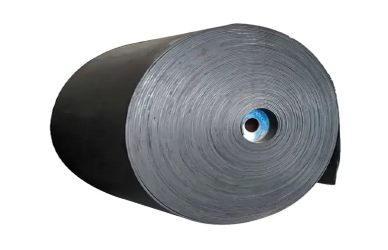
When selecting a Rubber V belt for a specific application, it’s crucial to understand the benefits and limitations of each material used.
Natural rubber is often more affordable and provides good elasticity and wear resistance, making it suitable for general-purpose use. However, for applications that involve high temperatures or exposure to chemicals, synthetic rubbers like EPDM and Neoprene are better choices due to their superior resistance to heat, ozone, and chemicals. These synthetic rubbers also last longer and perform better under demanding conditions.
For heavy-duty applications requiring higher load-bearing capacity, steel-cord reinforced belts are the ideal choice. These belts are able to handle greater tensile forces without stretching or breaking, making them perfect for machinery that operates under extreme conditions or in industries that demand high performance, such as mining, automotive, and large-scale industrial operations.
For applications where the belt is exposed to oils, chemicals, or harsh environments, nitrile or polyurethane covers provide superior resistance. These covers ensure that the belt remains intact and functional even in the harshest environments, preventing premature wear and tear.
Choosing the right material for a Rubber V belt depends on several factors, such as environmental conditions, the specific requirements of the machinery, and cost considerations.
If the belt will be exposed to extreme temperatures, high humidity, or chemical exposure, it's essential to choose materials that can withstand these conditions. EPDM belts, for example, offer excellent resistance to ozone and high temperatures, making them ideal for automotive engines and industrial applications.
Different machines require different levels of performance. For example, a high-load conveyor system will require a belt with a steel-cord reinforcement to ensure that it can bear the weight. Similarly, a high-speed engine might need a synthetic rubber belt like Neoprene for its superior wear resistance and flexibility.
When selecting a Rubber V belt, it's essential to balance cost with durability. While synthetic materials may cost more, they offer longer lifespans and better performance, potentially saving you money in the long term by reducing maintenance and replacement costs.
Rubber V belts are typically made from natural rubber or synthetic rubbers like EPDM and Neoprene. These rubbers are reinforced with fabric layers or steel cords for added strength and durability. The combination of these materials ensures the belts can handle demanding applications, providing reliable performance and longevity.
Synthetic rubbers like EPDM and Neoprene are used in Rubber V belts because they offer superior resistance to heat, ozone, and chemicals. This makes them particularly well-suited for heavy-duty applications that require durability under extreme conditions, such as automotive engines, industrial machines, and high-speed operations.
Steel reinforcements significantly enhance the strength and load-bearing capacity of Rubber V belts. This allows them to handle high-tension and heavy-duty applications without stretching or breaking. Steel-cord reinforced belts are especially useful for conveyors, heavy machinery, and other equipment that operates under considerable mechanical stress.
Yes, materials like EPDM can withstand high temperatures, making them ideal for high-heat environments such as automotive engines and industrial applications. Neoprene, while offering moderate temperature resistance, is still suitable for most standard applications that don’t require extreme heat resistance. The ability to function in various temperature conditions ensures that Rubber V belts can perform efficiently across diverse environments.
Selecting the right material for Rubber V belts is essential for ensuring their performance, durability, and cost-effectiveness. By understanding the different materials used in their construction, such as natural rubber, synthetic rubbers like EPDM and Neoprene, as well as reinforcement materials like steel cords and polyester, you can choose the best belt for your specific application. Whether you need a belt that can withstand extreme temperatures, high loads, or chemical exposure, the right material will ensure that the belt performs efficiently and lasts longer.