 |









| Quantity: | |
|---|---|
100 meters
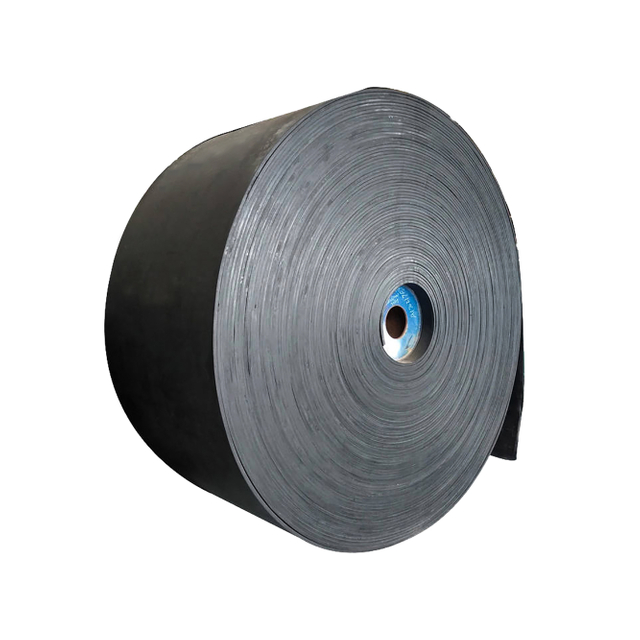
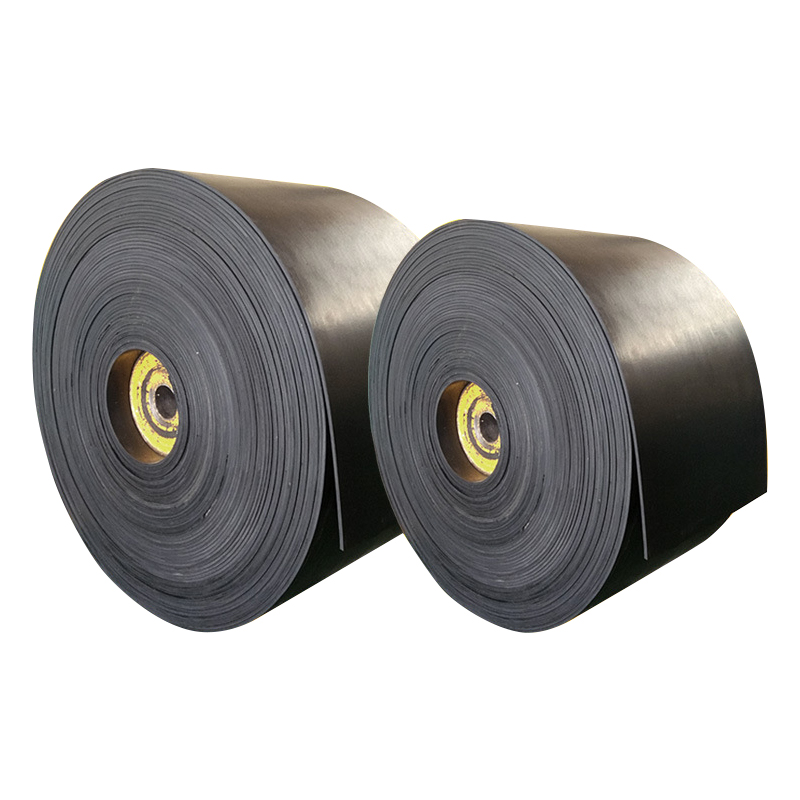
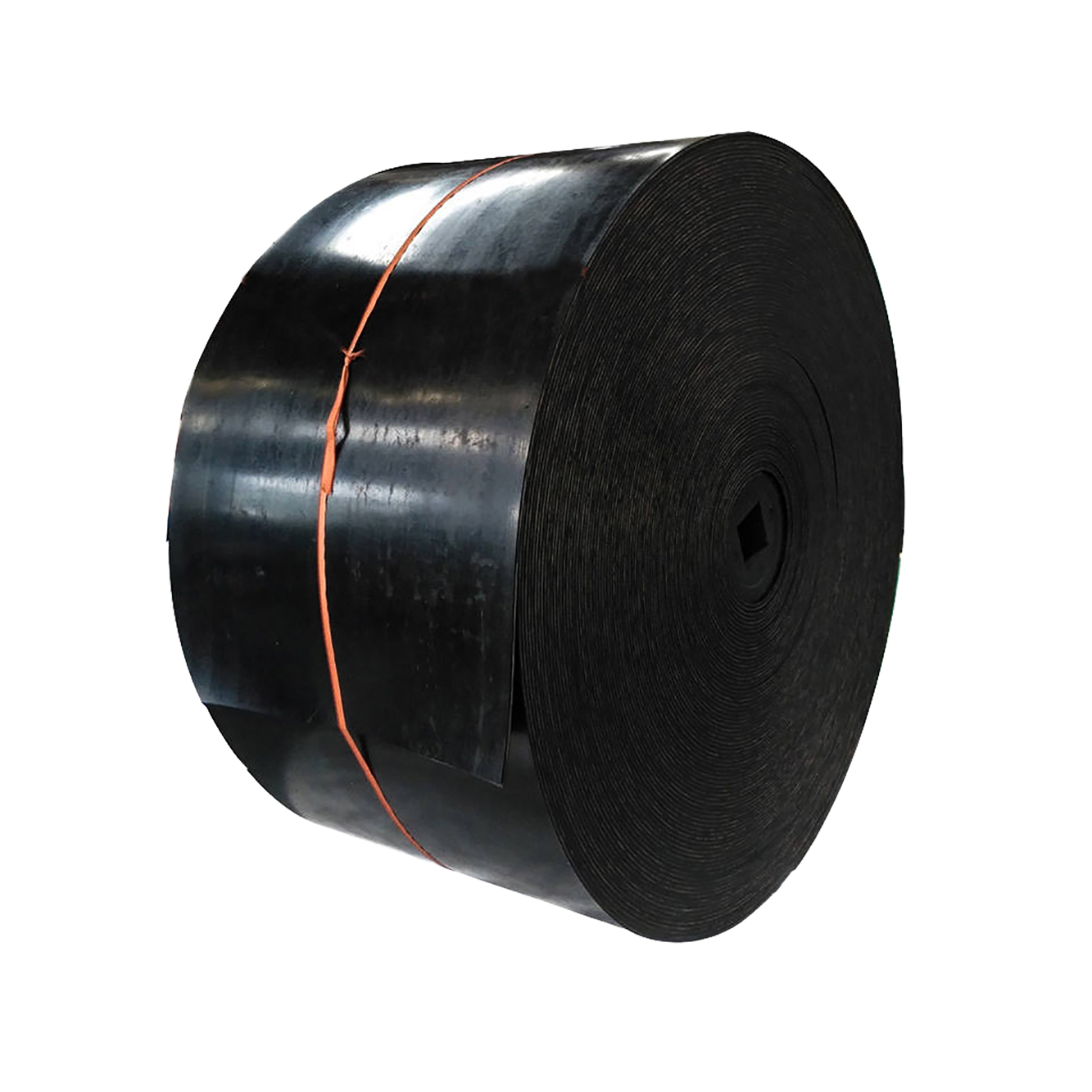
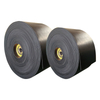
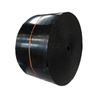
The High Strength EP Rubber Oil Resistant Conveyor Belt is a material handling component designed for industrial applications where exposure to oils, greases, and hydrocarbon-based substances is present. The belt utilizes EP (polyester-nylon) fabric as the primary reinforcement layer, providing tensile strength and dimensional stability for bulk material transport. The rubber cover compound is specifically formulated to resist the swelling, softening, and degradation effects that occur when conventional rubber compounds come into contact with oily substances. This belt type supports continuous operation in environments where oil contamination is a regular factor, such as mining operations, manufacturing facilities, and processing plants.

The carcass of the belt is constructed from multiple plies of EP (polyester warp / nylon weft) fabric. The polyester warp threads provide tensile strength and low elongation properties, while the nylon weft threads contribute to impact resistance and transverse flexibility. This combination supports the belt's ability to handle heavy loads while maintaining dimensional stability under tension.
The top and bottom cover layers are made from synthetic rubber compounds formulated for oil resistance. These covers prevent oil and grease from penetrating the belt structure, which would otherwise cause swelling, delamination, and reduced belt strength. Two cover grades are available based on application requirements.
Bonding layers between the fabric plies ensure adhesion between the carcass and cover materials, maintaining structural integrity under flexing and load conditions. These layers also help prevent delamination when the belt is exposed to oily substances.
The rubber cover compound resists penetration and absorption of oils and greases, preventing the swelling and softening that can lead to reduced belt performance and shortened service life in oil-contaminated environments.
Beyond oil resistance, the belt formulation also exhibits resistance to other common industrial fluids including solvents, hydrocarbons, and certain chemical substances. This broadens the range of applications where the belt can be deployed.
The EP fabric carcass provides measurable tensile strength, allowing the belt to handle heavy material loads over long conveyor lengths. The low-elongation property of polyester helps maintain consistent belt tension during operation.
The nylon weft component in the EP carcass contributes to the belt's transverse flexibility and impact resistance, supporting operation over pulley systems and handling of dropped materials at loading points.
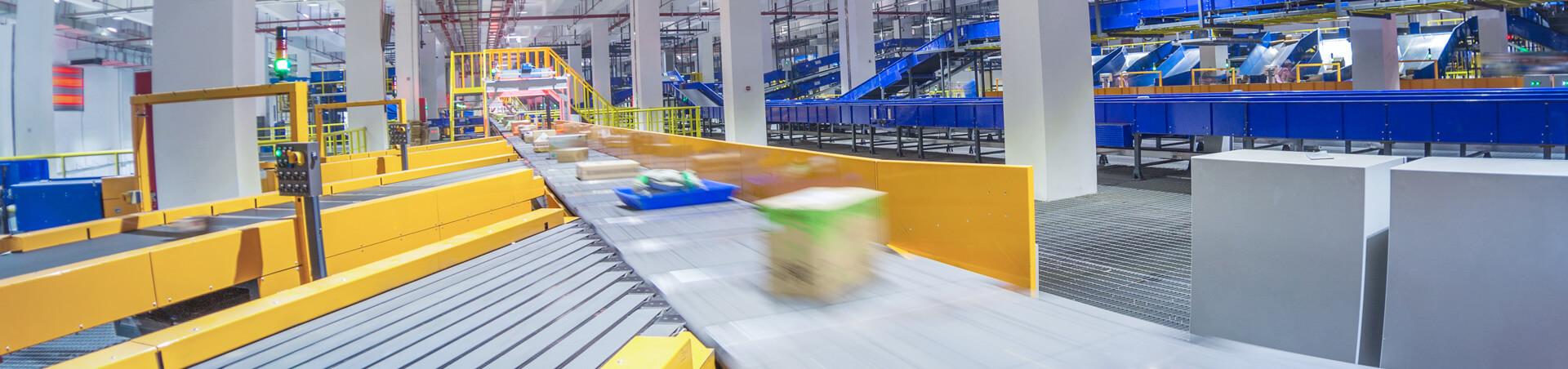
EP oil resistant conveyor belts are deployed across multiple industrial sectors where oil or grease contact with the belt surface is expected. In mining operations, these belts transport oily ores, mineral concentrates, and materials processed with oil-based lubricants or dust suppressants. In manufacturing and metalworking facilities, they handle machined parts, stamping scraps, and materials coated with cutting fluids or lubricants. In food processing and agricultural processing plants, they convey oil-bearing seeds, oilseed meals, and food products with oil content. For commercial procurement managers sourcing conveyor components for industrial facilities, these belts provide a solution for material handling lines where oil exposure cannot be eliminated through process changes alone.
Cover Grade | Designation | Primary Characteristic | Typical Applications |
|---|---|---|---|
Grade L | (L) Common | Standard oil resistance | General oil-exposed material handling |
Grade D | (D) Abrasion Resistant | Oil resistance with enhanced wear resistance | Abrasive materials with oil content |
Belt width, number of EP plies, cover thickness, and overall belt strength can be specified according to individual conveyor system requirements. Custom configurations including high-temperature resistant variants and flame-retardant variants are also available for specialized applications.
EP stands for polyester-nylon, referring to the fabric reinforcement used in the belt carcass. The warp direction (lengthwise) uses polyester fibers for tensile strength and low elongation, while the weft direction (crosswise) uses nylon fibers for flexibility and impact resistance.
Grade L (Common) oil resistant belts provide standard oil resistance for general applications where the belt encounters oily substances. Grade D (Abrasion Resistant) belts combine oil resistance with enhanced wear resistance, making them suitable for handling abrasive materials that also contain oil or grease.
Standard oil resistant belts are designed for oil exposure at normal operating temperatures. For applications involving high-temperature materials, specialized high-temperature resistant belt configurations should be specified to ensure both oil resistance and thermal stability.
The number of EP plies is determined by the conveyor's tensile strength requirements, which depend on factors including belt length, material load, incline angle, and drive system capacity. A conveyor system analysis based on these parameters is needed to specify the appropriate belt construction.