 |


| Quantity: | |
|---|---|
100 meters
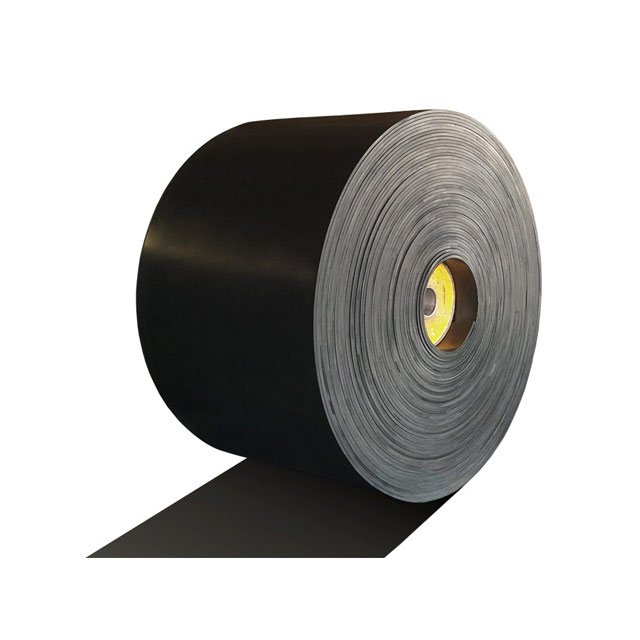
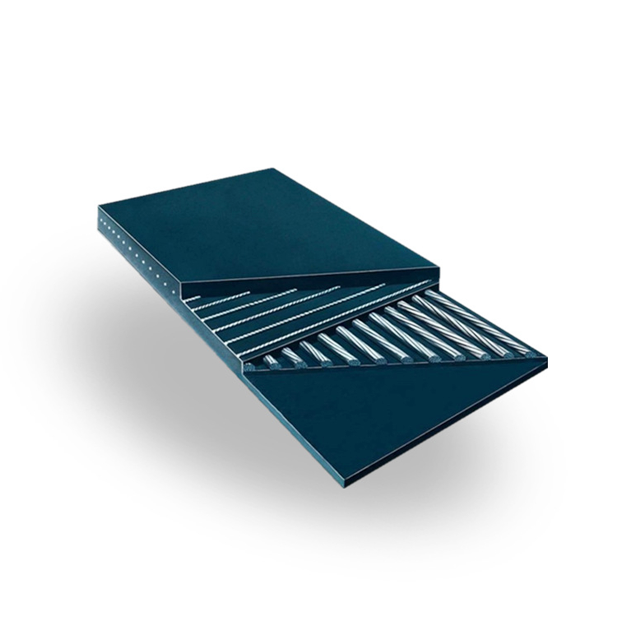
The steel cord conveyor belt incorporates high-tensile steel wires embedded longitudinally within the belt core. These steel cords run the full length of the belt and provide the primary tensile strength for material transport. The cords are arranged in a single layer with uniform spacing, ensuring even load distribution across the belt width. Steel cord diameters and pitch distances vary by belt grade to match specific tensile strength requirements.
The steel cords are encased in a core rubber compound formulated to achieve strong adhesion between rubber and steel. This bond prevents cord separation under dynamic loading and protects the steel from moisture ingress. Top and bottom cover rubber layers are applied over the core to provide abrasion resistance on the carrying side and wear resistance on the pulley side. Cover thickness can be specified based on material characteristics and operating conditions.

The following table outlines standard steel cord conveyor belt grades and parameters:
Belt Grade | Minimum Breaking Strength (N/mm) | Cord Diameter (mm) | Cord Pitch (mm) | Minimum Cover Thickness (mm) |
|---|---|---|---|---|
ST 630 | 630 | 3.0 | 10.0 | 4.0 |
ST 800 | 800 | 3.5 | 10.0 | 4.0 |
ST 1000 | 1000 | 4.0 | 12.0 | 4.0 |
ST 1250 | 1250 | 4.5 | 12.0 | 4.0 |
ST 1600 | 1600 | 5.0 | 14.0 | 5.0 |
ST 2000 | 2000 | 6.0 | 15.0 | 6.0 |
ST 2500 | 2500 | 7.0 | 17.0 | 6.0 |
ST 3150 | 3150 | 8.1 | 18.0 | 8.0 |
Standards reference: DIN 22131, AS 1333, JIS K 6369. Minimum order quantity is 100 meters.
Steel cord conveyor belts transport ores, coal, and aggregate materials in mining and quarry operations. The high tensile strength of steel cord reinforcement supports long conveyor lengths and heavy material loads encountered in underground and surface mining systems.
Cement plants and aggregate processing facilities use steel cord belts to move raw materials from extraction points through crushing, grinding, and kiln stages. The impact-resistant construction handles material loading at transfer points where rocks and minerals drop onto the belt surface.
Port facilities and bulk terminals deploy steel cord conveyor belts for ship loading and unloading operations. These systems handle continuous throughput of grains, minerals, and bulk commodities, requiring consistent belt tension over long horizontal and inclined runs.
Coal-fired power plants utilize steel cord conveyor belts in fuel handling systems to transport coal from storage yards to boiler feed systems. The belts operate continuously in demanding environments with varying material sizes and moisture content.
Steel cord reinforcement provides high tensile strength with low elongation, typically below 0.2 percent at working load. This low elongation characteristic reduces take-up travel requirements and maintains consistent belt tension across long conveyor distances.
The steel cord structure resists impact damage from falling materials at loading points. The longitudinal cords distribute impact forces across the belt width, reducing the risk of belt rupture from sharp or heavy objects.
Cover rubber compounds are available in various grades to match application requirements. General-purpose covers handle normal abrasion conditions. Specialized covers include heat-resistant formulations for hot materials, oil-resistant compounds for oily materials, and flame-retardant versions for underground mining installations.
Belt ends are joined through hot vulcanization to create a continuous loop. Vulcanized splices provide full tensile strength continuity by overlapping steel cords and bonding them with uncured rubber compound under heat and pressure. Proper splice preparation and execution are critical for belt longevity.
Mechanical fasteners provide an alternative splicing method for applications where vulcanization equipment is not available on-site. Mechanical splices allow faster installation but typically have lower strength ratings than vulcanized splices and may not be suitable for all pulley diameters.
Installation requires proper tensioning using take-up systems to maintain design tension during operation. Belt tracking should be monitored and adjusted through idler alignment. Proper training of maintenance personnel on splice procedures and inspection methods supports reliable belt performance.
Steel cord conveyor belts are available in grades from ST 630 up to ST 3150 and higher, with each grade representing the minimum breaking strength in newtons per millimeter of belt width.
Steel cord conveyor belts are typically spliced using hot vulcanization, where belt ends are prepared with stepped finger splices, steel cords are overlapped, and uncured rubber is cured under heat and pressure. Mechanical fasteners are also available for certain applications.
Cover thickness depends on the material being conveyed, lump size, loading conditions, and belt speed. Standard top cover thickness ranges from 4 mm to 8 mm, with bottom covers typically 3 mm to 5 mm. Consult with engineering specifications for each application.
Yes, steel cord conveyor belts are commonly used in inclined and declined applications. The maximum incline angle depends on material properties and may require additional features such as cleats or sidewalls for steep inclines.
The minimum order quantity is 100 meters. Custom widths, lengths, and cover compounds can be specified to match project requirements.