 |


| Quantity: | |
|---|---|
PH PJ PK PL PM
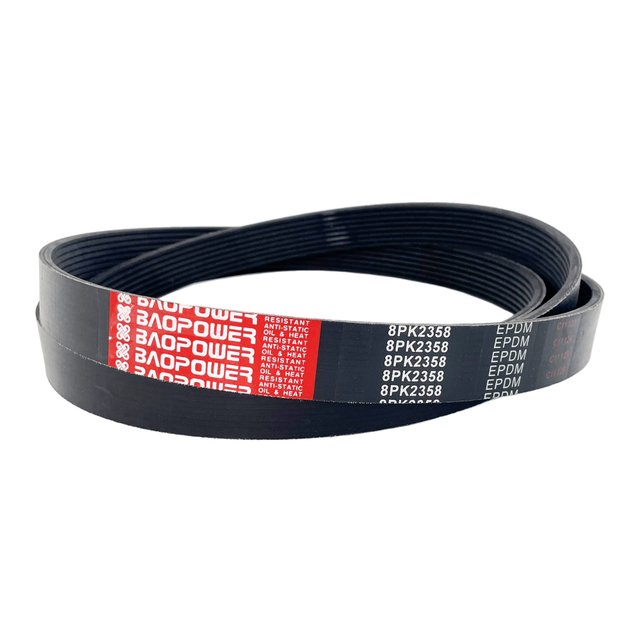
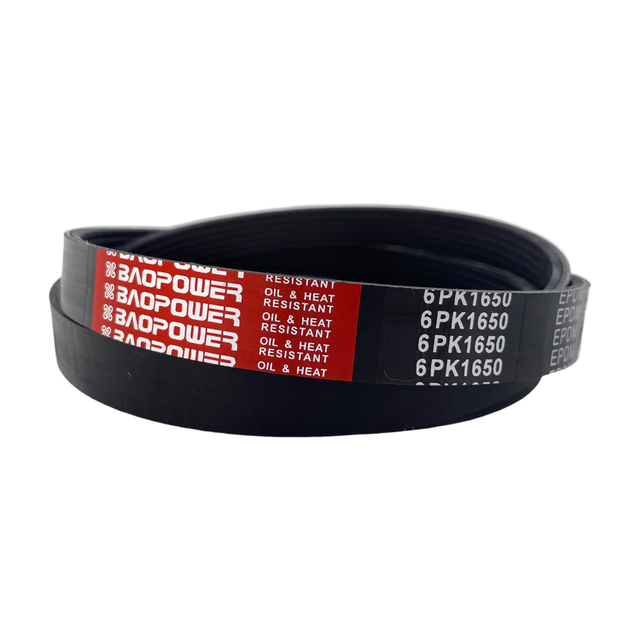
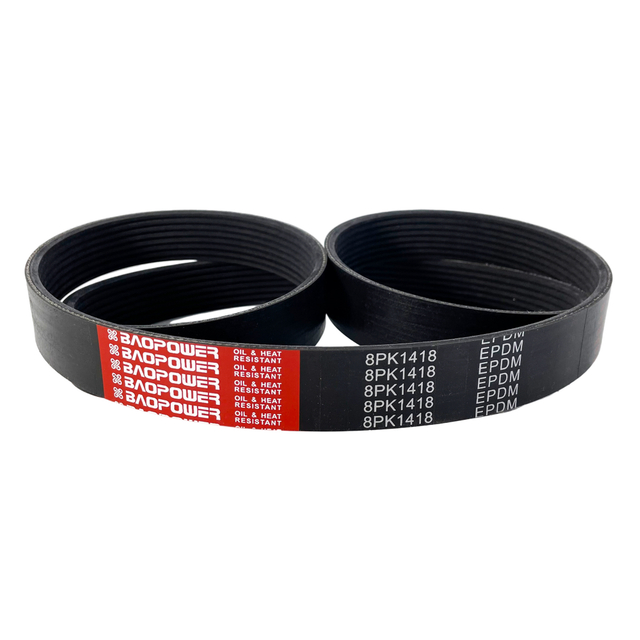
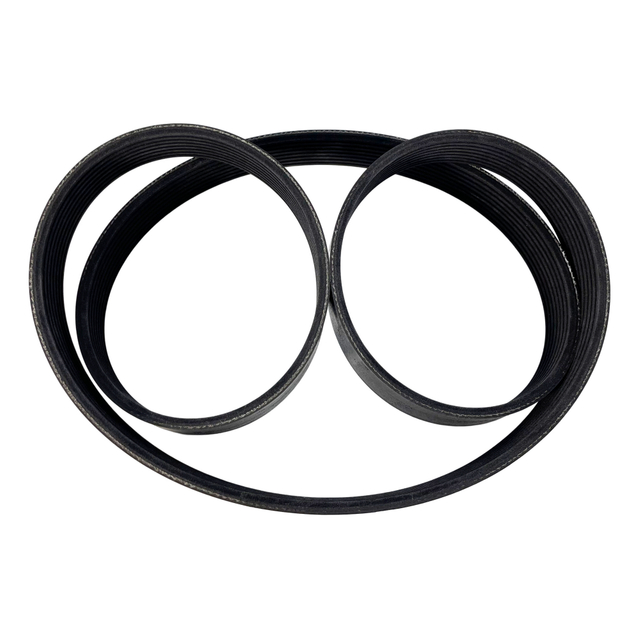
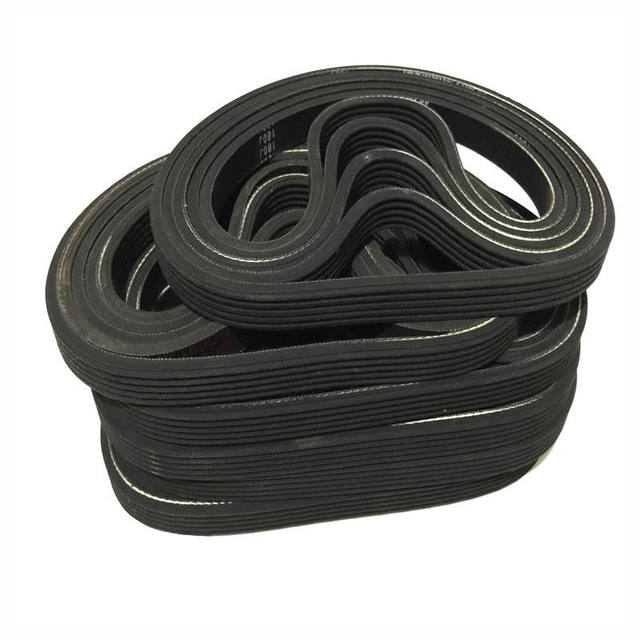
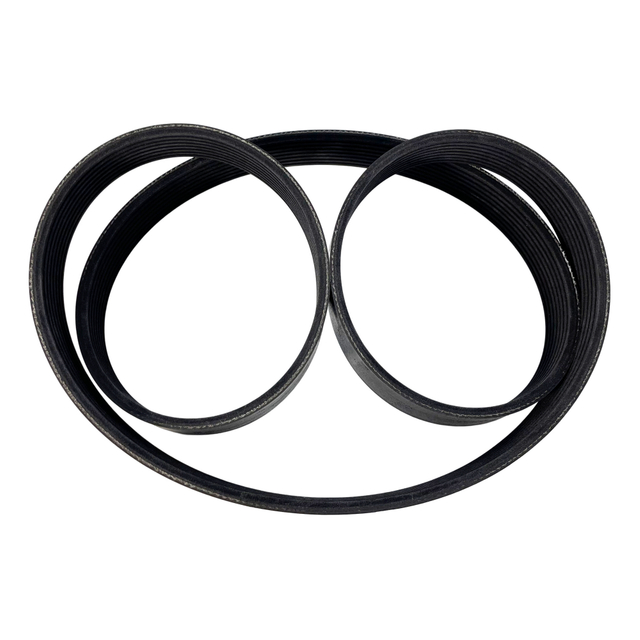
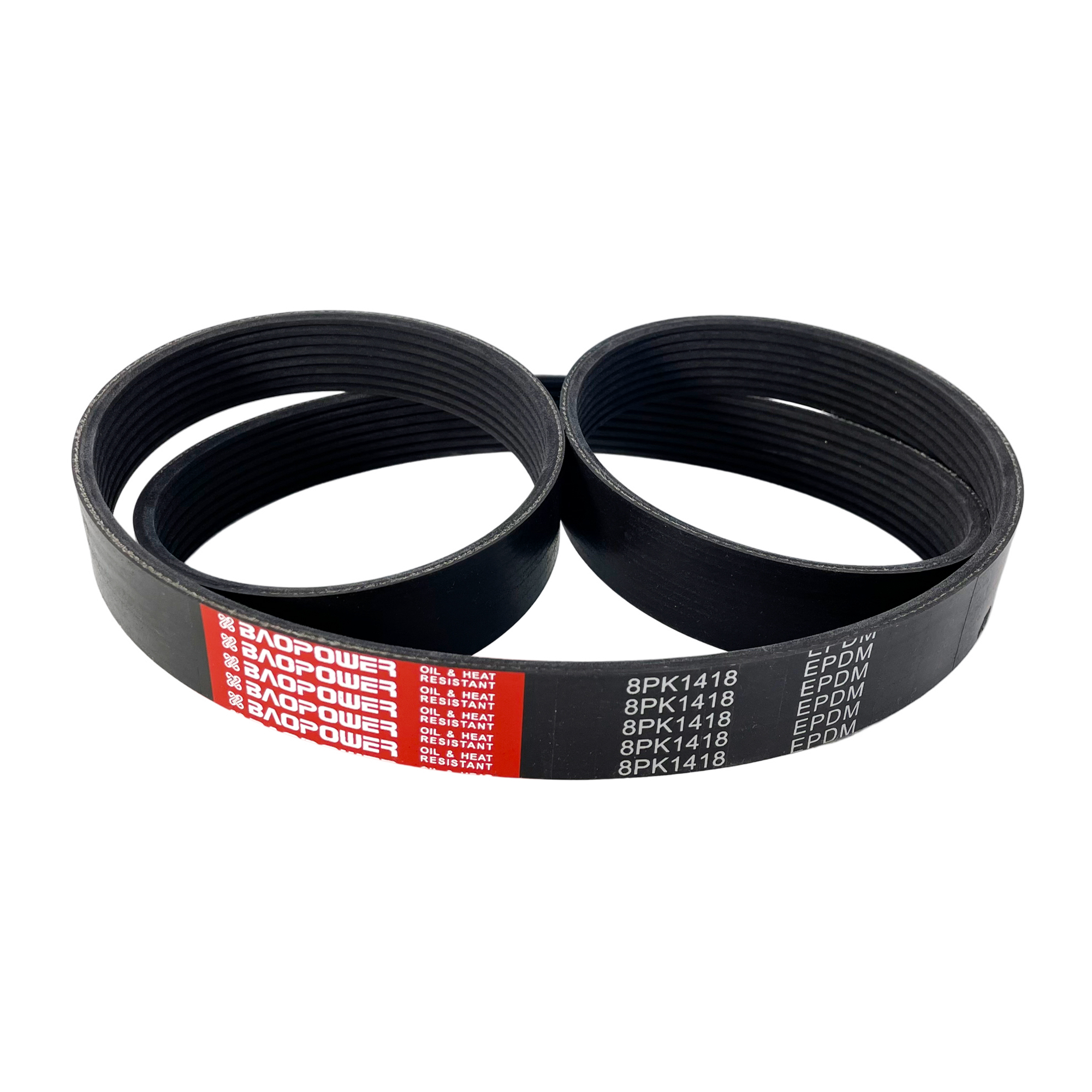
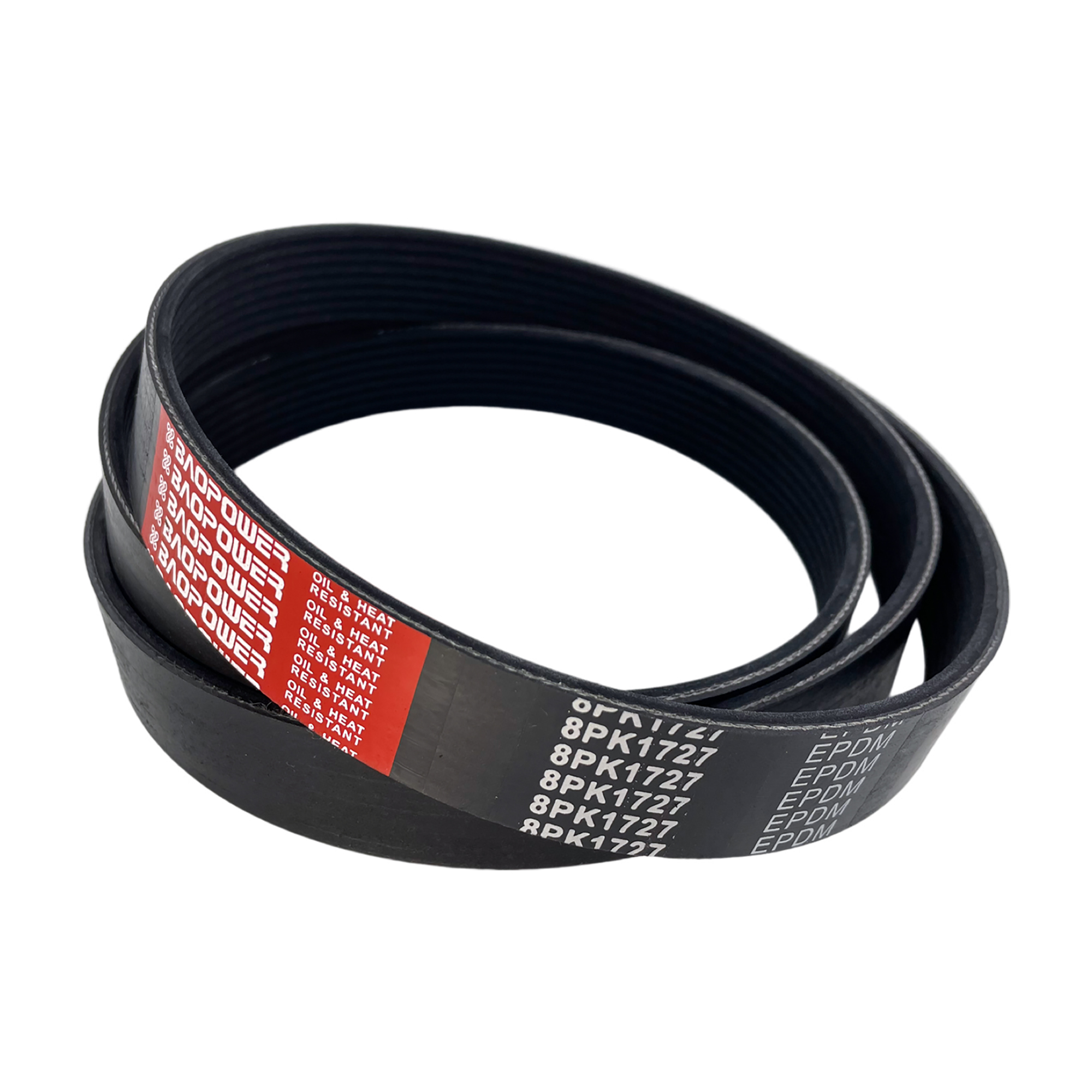
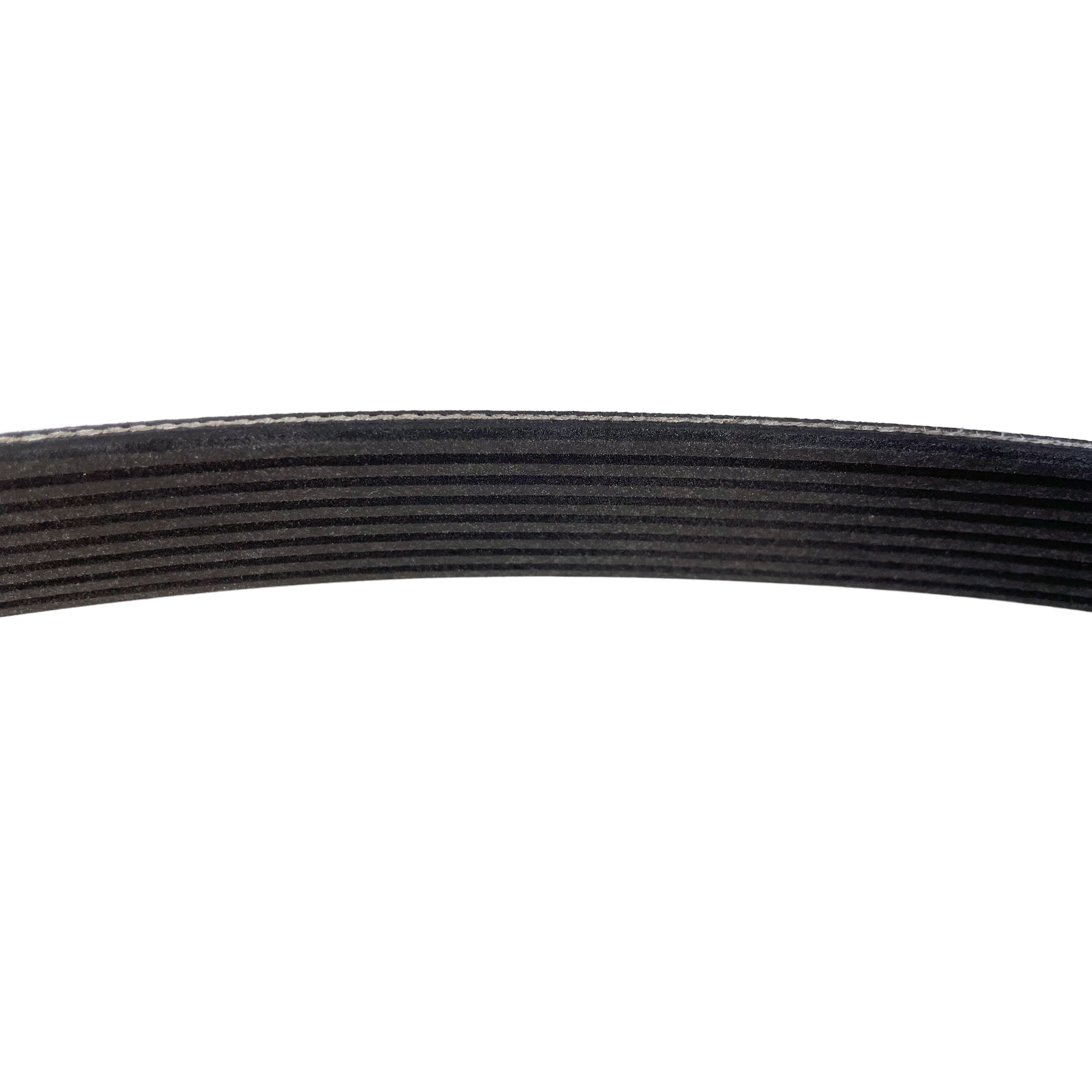
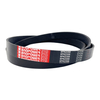
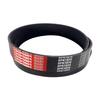
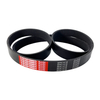
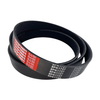
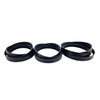
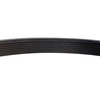
The EPDM Poly V Belt, also referred to as a multi-ribbed belt or micro-V belt, is a power transmission component designed for automotive and industrial drive systems. The belt features multiple V-shaped ribs running along its inner surface that engage with corresponding pulley grooves, distributing load across a wider contact area compared to conventional V-belts. Manufactured using EPDM (ethylene propylene diene monomer) rubber compound, the belt supports operation in elevated temperature environments commonly found in engine compartments and industrial machinery enclosures. The multi-rib design enables power transmission at higher speeds and over longer center distances than standard single-V configurations.

The belt body is constructed from EPDM rubber, a synthetic polymer known for its resistance to heat, ozone, and weathering. EPDM maintains its elastic properties across a broad temperature range, supporting consistent performance in applications where thermal cycling occurs.
Short reinforcing fibers are dispersed within the rubber compound to increase lateral stiffness and resistance to transverse pressure. This reinforcement helps the belt maintain its rib profile under load, reducing deformation and supporting consistent wedge engagement with pulley grooves.
A high-tensile cord layer runs longitudinally within the belt structure, providing the primary tensile strength for power transmission. This cord layer absorbs the pulling forces generated during operation and helps maintain belt length stability over time.
Under equivalent spatial constraints, the multi-rib design delivers approximately 30% higher transmission power compared to standard single V-belts of similar width. The increased contact surface area between belt ribs and pulley grooves contributes to this enhanced power transfer capability.
The belt supports operating speeds up to 40 meters per second, making it suitable for high-speed drive applications. The flexible construction allows the belt to conform to small-diameter pulleys commonly used in compact drive arrangements.
The multi-rib profile distributes contact pressure across multiple engagement points, which helps reduce vibration levels during operation. This distributed contact pattern contributes to lower noise output compared to single-V configurations in comparable applications.
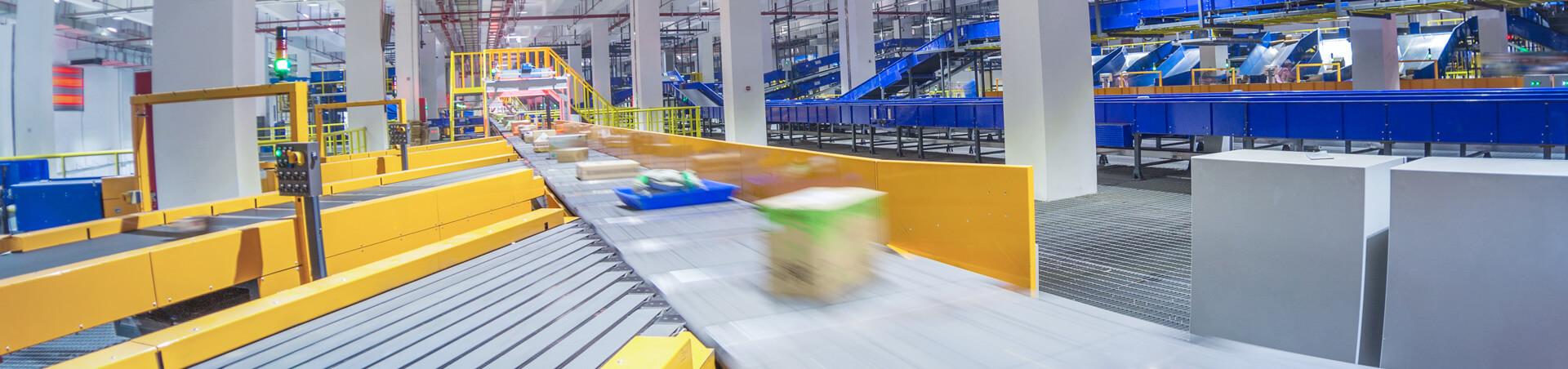
EPDM Poly V Belts serve across a range of applications in automotive and industrial settings. In automotive systems, these belts drive engine accessories including alternators, water pumps, power steering pumps, and cooling fans. In industrial machinery, they are used in conveyor drives, textile equipment, machine tools, and HVAC systems where compact drive design and efficient power transfer are required. For enterprise customers sourcing components for manufacturing equipment fleets, these belts offer compatibility with standard multi-rib pulley systems used across various industrial applications. The oil-resistant properties of EPDM also support use in environments where incidental contact with lubricants may occur.
Profile Designation | Rib Pitch (mm) | Typical Applications |
|---|---|---|
PH | 1.6 | Precision office equipment, small appliances |
PJ | 2.34 | Automotive accessories, household appliances |
PK | 3.56 | Automotive engine systems, industrial machinery |
PL | 4.7 | Heavy industrial drives, agricultural equipment |
PM | 9.4 | Large industrial machinery, high-torque systems |
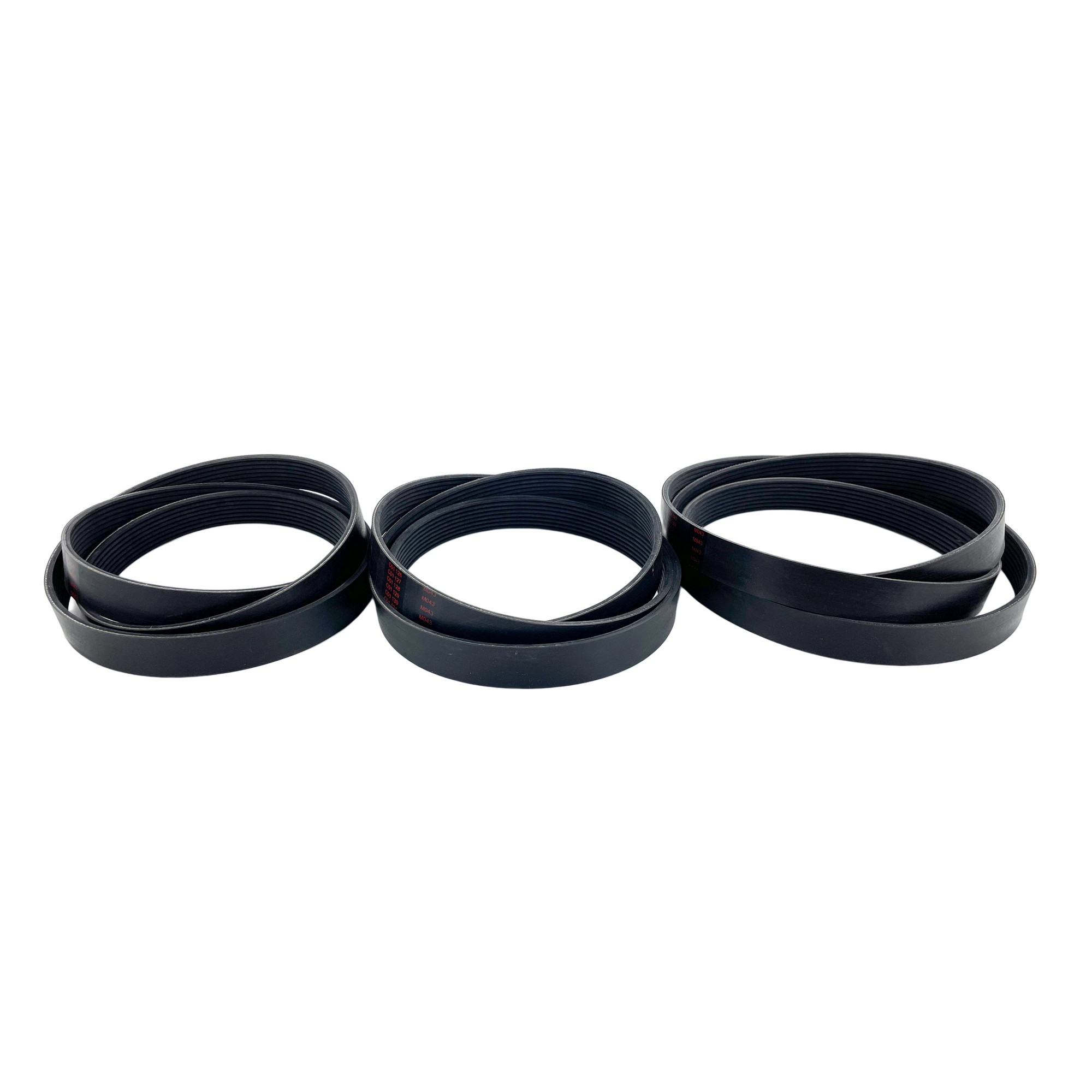
The number of ribs per belt can be specified according to application requirements, with standard configurations ranging from 3 to 20 ribs depending on the profile type.
PJ profile belts have a rib pitch of 2.34 mm and are typically used in lighter-duty applications such as automotive accessory drives and small appliances. PK profile belts have a wider rib pitch of 3.56 mm and are designed for higher-load applications including automotive engine systems and industrial machinery.
EPDM rubber is formulated to withstand elevated temperatures commonly found in engine compartments and industrial environments. The material maintains its elastic properties and structural integrity under thermal cycling conditions. Operating temperature limits should be verified against specific application requirements.
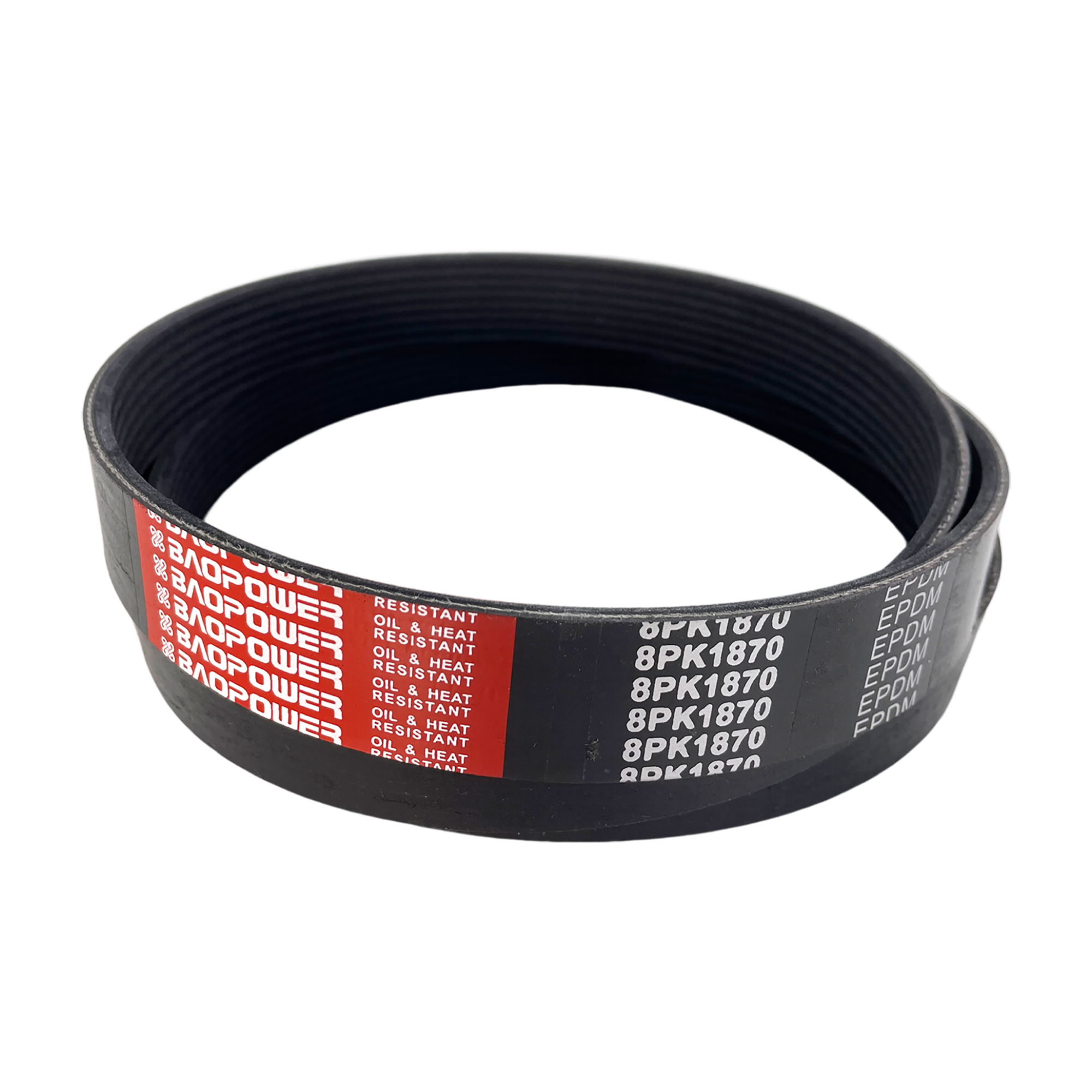
Belt length is determined by measuring the effective length along the pitch line of the belt. For replacement applications, reference the part number printed on the existing belt or consult the equipment manufacturer's specification sheet. The number of ribs and profile type must also match the pulley system.
EPDM poly V belts exhibit resistance to oil, heat, and abrasion, making them suitable for use in operating conditions where exposure to lubricants and environmental contaminants may occur. The degree of resistance varies by specific compound formulation and exposure concentration.